




What's Happening?
Gen Z's engagement in the upcoming midterm elections is significantly influenced by their economic realities and a perceived lack of agency within the political system. According to studies by Tufts University, Harvard Youth Poll, and Yale Youth Poll, cost
of living, inflation, housing, and healthcare costs are the top issues for 18- to 29-year-olds. Despite these concerns, a significant portion of young Americans, nearly half, believe their vote doesn't make a difference, a sentiment that has risen by 15 points since 2017. Trust in the federal government is at its lowest in over 50 years, with only 15% believing it does the right thing most of the time. This disconnect between strong democratic values and a belief that their participation can effect change presents a challenge for organizations aiming to mobilize young voters.
Why It's Important?
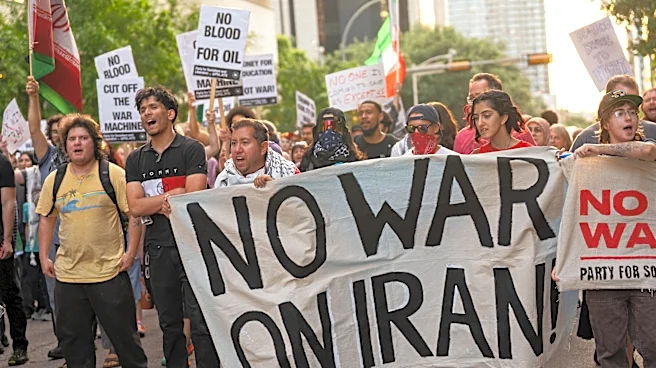
The political engagement of Gen Z is crucial for the future of U.S. politics and society. Their economic anxieties, particularly regarding inflation and job market disruptions, could drive significant shifts in policy priorities if their votes translate into political power. The widespread belief among young people that their vote doesn't matter poses a threat to democratic participation and could lead to lower voter turnout, potentially allowing older demographics to disproportionately influence election outcomes. This demographic's disillusionment with government trust and perceived lack of agency could also foster alternative forms of political action, such as protests or social movements, if traditional electoral channels are seen as ineffective. Understanding and addressing these concerns is vital for political parties and pro-democracy organizations to ensure a representative and engaged electorate, impacting everything from economic policy to social reforms.
What's Next?
Pro-democracy organizations and political campaigns are tasked with bridging the gap between Gen Z's economic concerns and their belief in the efficacy of voting. Strategies will likely focus on connecting policy decisions directly to young people's lived experiences, such as how local city council policies affect daily life or how specific candidates address affordability issues. Efforts to reduce friction and informational barriers to voting, along with increased civic education, will be critical. This includes meeting young people where their attention already is, building connections between local involvement and national efficacy, and simplifying the voting process. The success of these efforts will determine the extent of Gen Z's participation in the midterms and subsequent elections, potentially shaping the political landscape for years to come. Continued research into youth political attitudes will also be essential.
Beyond the Headlines
The disengagement of Gen Z from traditional political processes, despite their strong democratic values, points to a deeper societal challenge: the erosion of civic agency and trust in institutions. This phenomenon extends beyond mere political apathy, reflecting a fundamental questioning of whether the democratic system can effectively address their material conditions. The decline in hope for the future, even among young Democrats, suggests a broader crisis of optimism that could have long-term implications for social cohesion and collective action. The emphasis on 'politics of lived reality' highlights a shift from ideological battles to tangible impacts on daily life, potentially reshaping how political issues are framed and debated. Addressing this requires not just voter mobilization but a systemic re-evaluation of how government functions, how policies are communicated, and how young people are empowered to see themselves as active agents of change, ensuring the vitality of democratic institutions for future generations.