






What's Happening?
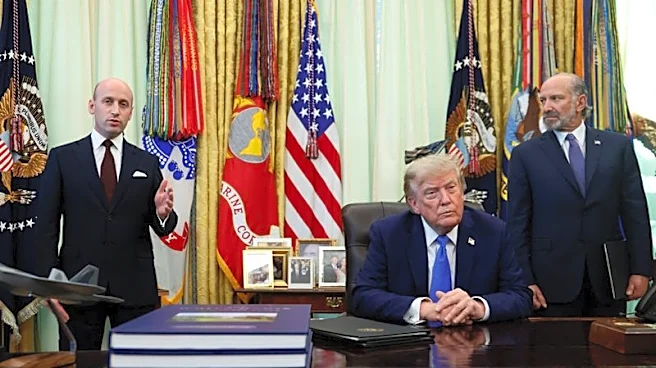
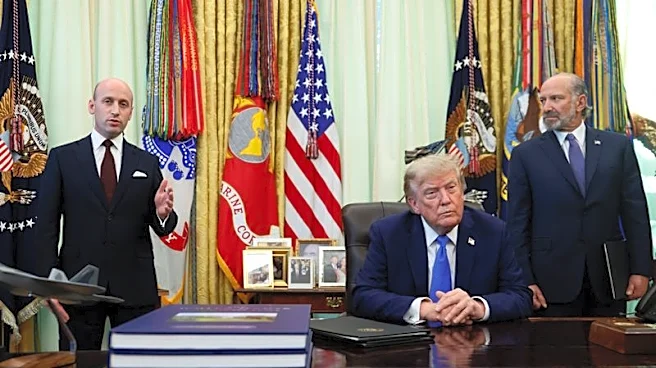
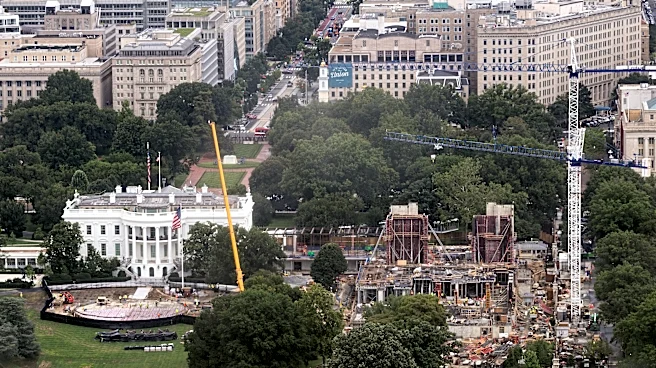
Congressman Mike Ezell has expressed his support for President Trump's intention to appeal a federal court ruling that prevents the construction of a ballroom at the White House. The D.C. Circuit Court of Appeals ruled that President Trump, as a temporary
tenant, lacks the authority to make such changes without Congressional approval. The court's decision aligns with The National Trust's argument that Congressional permission is necessary for the project. The ruling has been stayed for two weeks to allow for an appeal to the U.S. Supreme Court. Ezell, attending an event in Hattiesburg, Mississippi, emphasized the importance of the ballroom for future presidents to host state dinners and expressed confidence that the Supreme Court would rule in favor of the President.
Why It's Important?
The case highlights the ongoing debate over the extent of presidential authority concerning modifications to the White House, a national historic landmark. The outcome of this legal battle could set a precedent for future administrations regarding the scope of executive power in altering government property. If the Supreme Court sides with President Trump, it may pave the way for more significant changes to the White House by future presidents, potentially impacting how state functions are conducted. Conversely, a ruling against the President could reinforce the need for Congressional oversight in such matters, maintaining a check on executive power.
What's Next?
The next step involves President Trump deciding whether to proceed with an appeal to the U.S. Supreme Court. If the appeal is filed, the Supreme Court's decision will be crucial in determining the project's fate. The ruling could also influence future legislative actions regarding presidential authority over national landmarks. Stakeholders, including political leaders and preservationists, will likely continue to debate the implications of the court's decision and its impact on the balance of power between the executive branch and Congress.