



What's Happening?
Al-Azhar Al-Sharif, the world's largest Islamic religious academic institution, has issued an urgent appeal to international relief agencies, organizations, and global communities to intervene in the Gaza Strip. The institution is calling for immediate
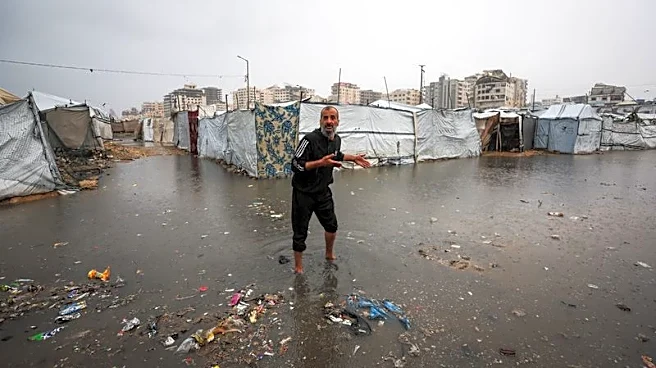
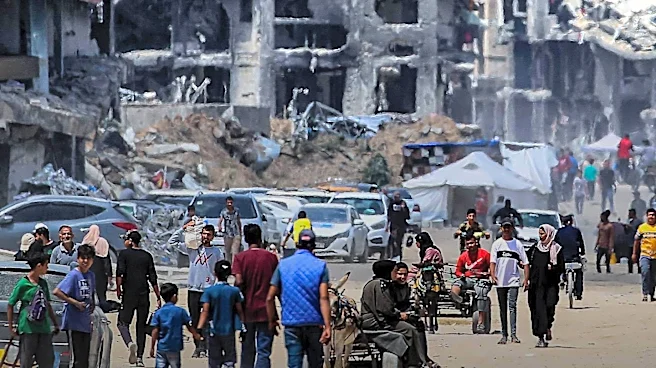
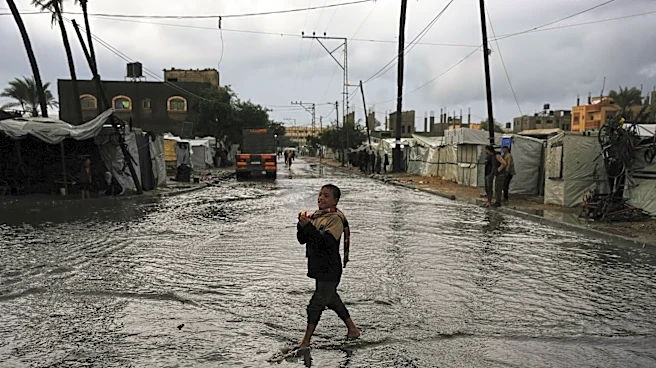
action to break the blockade and establish emergency corridors for the delivery of essential humanitarian aid. This aid includes weather-resistant tents, winter clothing, heating equipment, food, and medicine, all to be delivered without obstruction. The appeal comes as the humanitarian situation in Gaza rapidly deteriorates with the onset of winter, characterized by freezing temperatures and heavy rains. Thousands of displaced civilians, including infants, are reportedly exposed to these harsh conditions in flooded, dilapidated tents, lacking basic survival necessities. Al-Azhar's statement highlights the profound sorrow over the worsening catastrophe, particularly for displaced families in camps and shelters, emphasizing the urgent need to protect civilian lives and uphold humanitarian duties.
Why It's Important?
This urgent appeal from Al-Azhar underscores the severe and rapidly deteriorating humanitarian crisis in the Gaza Strip, particularly as winter conditions intensify. The call for immediate international intervention highlights the critical need for basic necessities like shelter, warmth, food, and medicine for hundreds of thousands of displaced civilians. The institution's emphasis on breaking the blockade and establishing emergency corridors points to significant logistical and political challenges in delivering aid. The situation could lead to a further increase in mortality rates, especially among vulnerable populations such as children, the elderly, and the sick, if immediate and substantial aid is not provided. The appeal also serves as a moral call to action, urging governments and institutions worldwide to recognize their responsibilities towards the suffering residents of Gaza and prevent the crisis from being reduced to mere news stories without effective response.
What's Next?
Following Al-Azhar's urgent appeal, the immediate next steps would involve increased pressure on international bodies and governments to facilitate the opening of humanitarian corridors into Gaza. Relief agencies and international organizations are expected to intensify their advocacy and operational efforts to deliver aid, though logistical and political barriers remain significant. There may be renewed calls for diplomatic efforts to negotiate temporary ceasefires or humanitarian pauses to allow for the safe passage and distribution of supplies. The effectiveness of this appeal will depend on the willingness of various stakeholders to overcome existing obstacles and prioritize humanitarian concerns. Continued monitoring of weather conditions and the health status of displaced populations will be crucial in assessing the immediate impact of the crisis and the adequacy of any incoming aid.
Beyond the Headlines
The appeal from Al-Azhar carries significant moral and religious weight within the Islamic world, potentially mobilizing broader public opinion and advocacy efforts from Muslim-majority nations and communities globally. Beyond the immediate humanitarian crisis, the situation in Gaza highlights deeper issues of international law, human rights, and the responsibilities of states towards civilian populations in conflict zones. The ongoing blockade and the challenges in delivering aid raise questions about the efficacy of international humanitarian frameworks and the political will to enforce them. The long-term implications of prolonged displacement and deprivation, especially for children, could include severe health consequences, educational disruption, and lasting psychological trauma, contributing to a protracted humanitarian crisis that extends far beyond the current winter season.