
What's Happening?
Researchers from the University of Alabama in Huntsville and NASA's Marshall Space Flight Center have identified that Martian dust storms could cause the lower atmosphere to become electrically charged.
This finding is based on data from Martian Year 34, which showed that electric fields were produced in the lower atmosphere during a global dust storm. These conditions, known as breakdown-favorable, could pose additional risks to future Mars missions beyond the already known challenges of reduced visibility and sunlight.
Why It's Important?
The discovery of electrically charged conditions during Martian dust storms adds a new layer of complexity to planning future missions to Mars. This could impact the design and operation of spacecraft, habitats, and communication systems. Understanding these electrostatic environments is crucial for ensuring the safety and success of both robotic and human missions. The findings emphasize the need for comprehensive risk assessments and the development of technologies to mitigate these newly identified hazards.
What's Next?
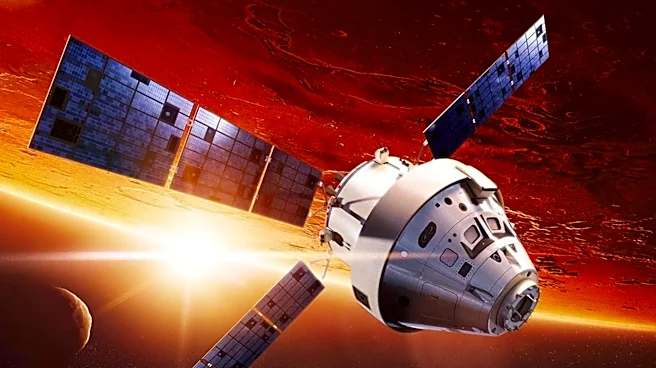
As NASA and other space agencies plan for future Mars missions, they will need to incorporate these findings into their mission designs. This may involve developing new materials and technologies to protect against electrostatic discharges. Ongoing research will focus on better understanding the conditions that lead to electrical charging during dust storms and how to predict and mitigate their effects. These efforts are essential for the long-term goal of human exploration and potential colonization of Mars.