







What's Happening?
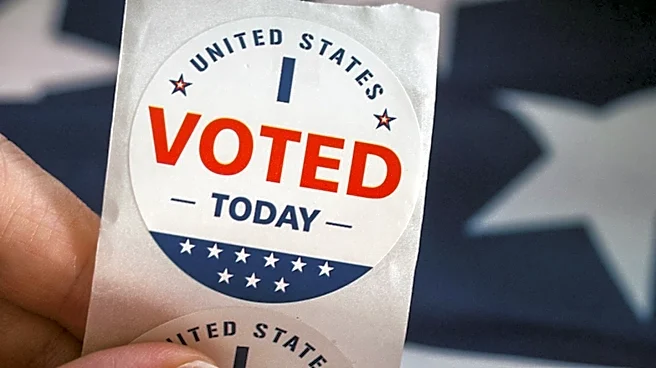
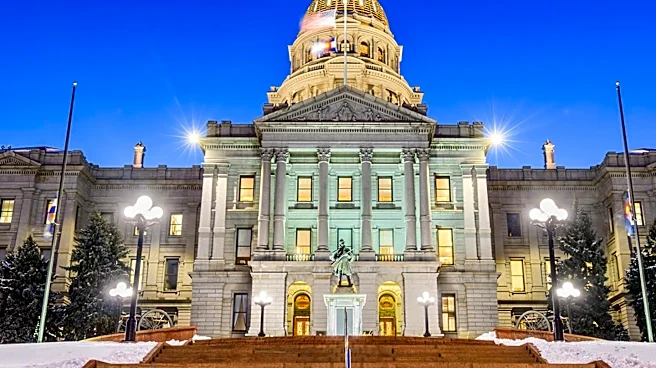
The recent primary elections in Colorado have highlighted a significant divide within the Democratic Party. Congresswoman Diana DeGette, a long-standing figure in Colorado's Democratic scene, faced challenges that turned her established status into a liability.
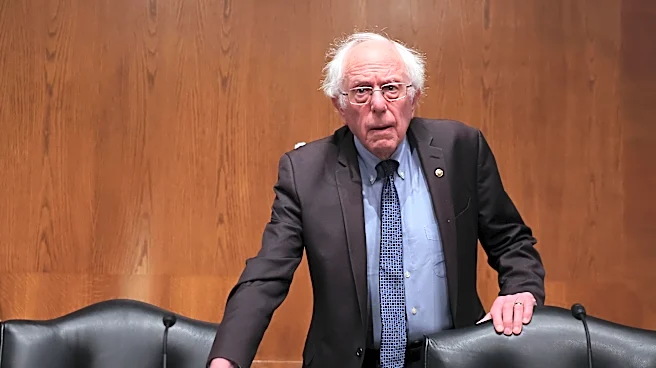
Democratic analyst Sheila MacDonald noted that the political environment this year has shifted, making it difficult for traditional party figures to maintain their positions. This shift is indicative of broader changes within the party, as newer, more progressive candidates gain traction and challenge incumbents.
Why It's Important?
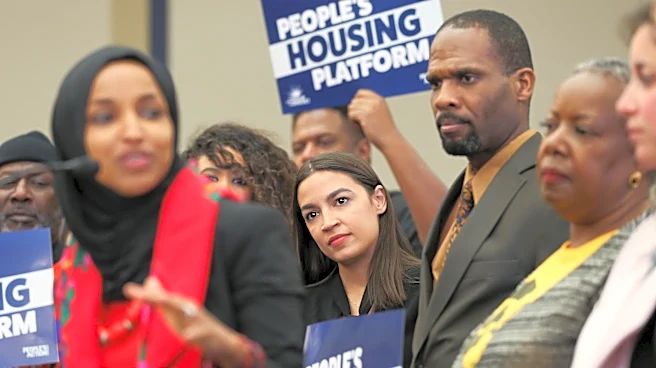
The primary results in Colorado reflect a broader trend within the Democratic Party, where progressive candidates are increasingly challenging established incumbents. This shift could lead to significant changes in the party's policies and priorities, as newer voices push for more progressive agendas. The outcome of these primaries could influence the party's strategy in upcoming elections, potentially affecting its ability to maintain or gain control in various legislative bodies. The internal divide also poses challenges for party unity, which is crucial for effective campaigning and governance.
What's Next?
As the Democratic Party navigates these internal divisions, it will need to address the concerns of both its traditional base and the emerging progressive wing. This may involve policy adjustments and strategic realignments to accommodate the diverse views within the party. The results of the Colorado primary could serve as a bellwether for other states, prompting similar challenges to incumbents. Party leaders will likely focus on fostering unity and developing a cohesive platform that appeals to a broad spectrum of voters.