




What's Happening?
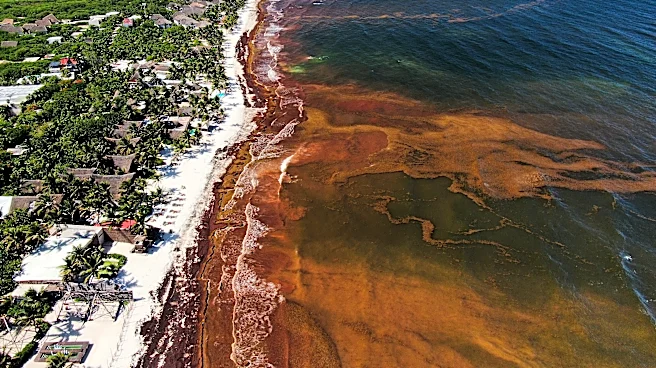
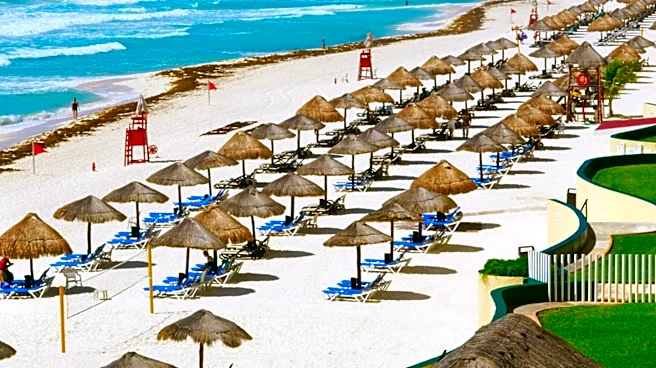
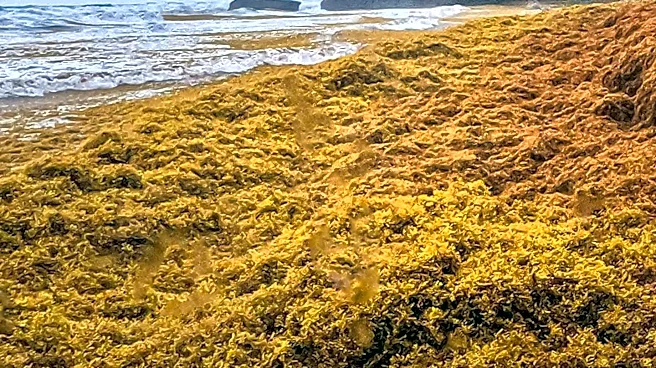
A significant bloom of sargassum seaweed is affecting coastlines from the Caribbean to Mexico, with 27 million metric tons recorded in the region. The seaweed is suffocating marine life and deterring tourists, impacting local economies reliant on tourism.
This year marks the first time sargassum has been observed growing in large quantities in these areas, rather than being carried by ocean currents. Factors such as agricultural runoff, warming waters, and changes in environmental conditions are believed to contribute to the bloom. The Mexican government plans to invest $115 million to address the issue, but current resources are insufficient to manage the influx.
Why It's Important?
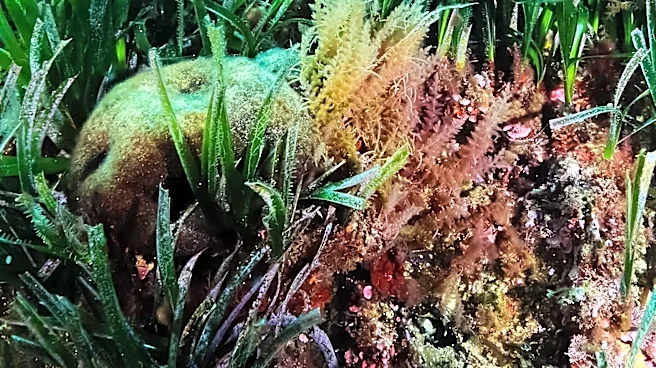
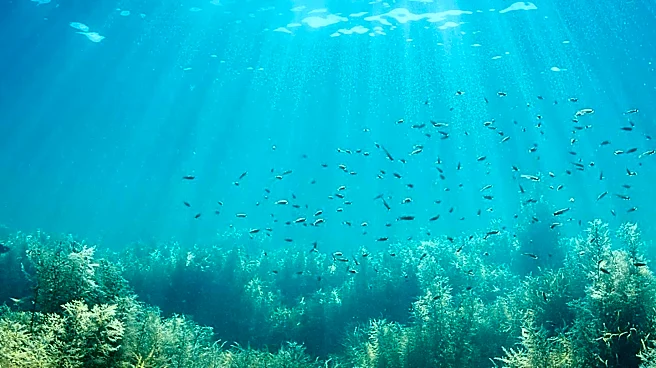
The proliferation of sargassum poses a significant threat to the tourism industry, a vital economic sector for many Caribbean and Mexican communities. The seaweed's presence can lead to a decline in tourist visits, affecting businesses and employment. Additionally, the environmental impact on marine ecosystems is concerning, as sargassum can reduce oxygen levels in the water and harm coral reefs and seagrass. The situation highlights the broader challenges of climate change and environmental management, necessitating coordinated efforts to mitigate the impact and develop sustainable solutions.
What's Next?
Efforts to manage the sargassum bloom will likely involve increased investment in removal and disposal technologies, as well as research into long-term solutions. Governments and environmental organizations may collaborate to address the root causes of the bloom, such as agricultural runoff and climate change. The tourism industry will need to adapt to the changing environmental conditions, potentially exploring alternative attractions and activities. Public awareness campaigns may be launched to educate communities and visitors about the issue and promote sustainable practices.