



What's Happening?
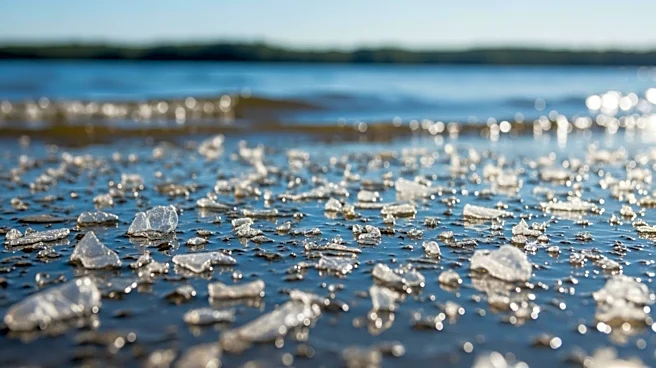
Fair Isle, a remote island in Scotland, has been found to have the highest levels of toxic PFAS in its drinking water. Scientists believe that the chemicals, known as 'forever chemicals,' are being transported to the island through seafoam and seaspray.
Despite the absence of industrial sources on the island, the PFAS levels exceed those found in other parts of Scotland. The chemicals are thought to be carried over long distances by ocean currents and stormy seas, accumulating on the island due to its exposure to harsh weather conditions. The situation has raised concerns about the effectiveness of current monitoring systems in detecting and managing such pollutants.
Why It's Important?
The presence of high levels of PFAS in Fair Isle's drinking water highlights the widespread environmental impact of these persistent chemicals. It underscores the need for improved monitoring and regulation to protect public health and the environment. The findings could prompt policy changes and increased scrutiny of PFAS sources and their pathways into remote areas. This situation also raises awareness about the global reach of pollution and the challenges in addressing contamination in isolated communities. The potential health risks associated with long-term exposure to PFAS make this an urgent issue for environmental and public health authorities.