








What's Happening?
G7 leaders, under the presidency of France, are focusing on global economic imbalances that are exacerbating trade tensions and posing risks to the world economy. The U.S. continues to run significant current account deficits, driven by strong household
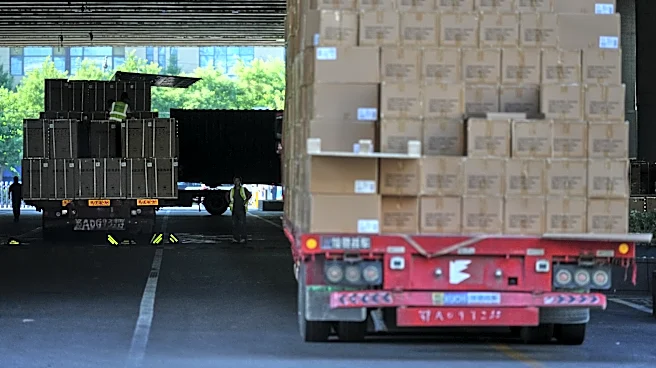
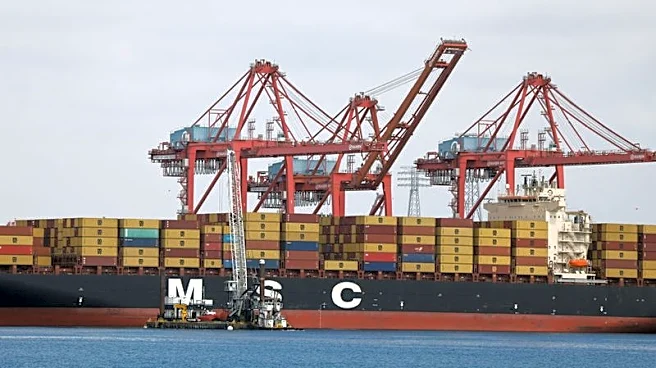
consumption and low savings, which are funded by capital inflows from surplus economies. This dynamic has made the U.S. a focal point for trade tensions, as policymakers resort to tariffs and industrial policies to address these persistent deficits. Meanwhile, China's export-led growth model, supported by state subsidies, has led to a record current account surplus, further straining global trade relations. Europe, on the other hand, faces challenges due to weak domestic investment and high savings, which contribute to its role as a net lender in the global economy.
Why It's Important?
The imbalances highlighted by the G7 have significant implications for global trade and economic stability. The U.S.'s reliance on foreign capital to finance its consumption underscores its vulnerability to shifts in global capital flows. China's growing surplus, fueled by state support, raises concerns about fair trade practices and the potential for increased protectionism. Europe's underinvestment could hinder its economic growth and competitiveness, particularly in technology sectors. These imbalances could lead to financial shocks if not addressed, as they create dependencies and tensions among major economies. The G7's focus on these issues reflects the need for coordinated international efforts to rebalance global trade and investment flows.
What's Next?
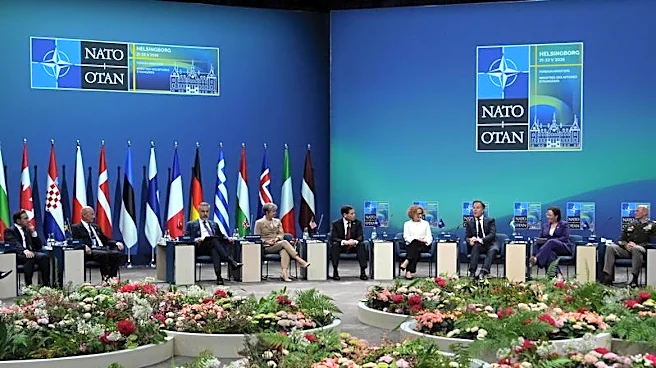
The G7 leaders are expected to discuss potential coordinated actions to address these imbalances at their upcoming summit in Evian, France. The discussions may lead to proposals for policy adjustments aimed at promoting more balanced trade and investment practices. However, achieving consensus among the G7 countries, each with its own economic priorities and challenges, will be a complex task. The outcomes of these discussions could influence future trade policies and international economic cooperation efforts.