



What's Happening?
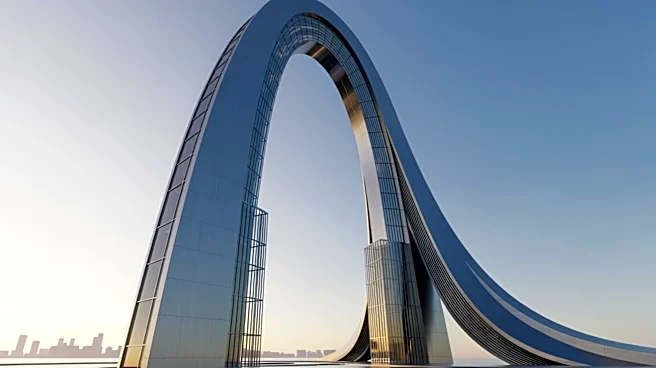
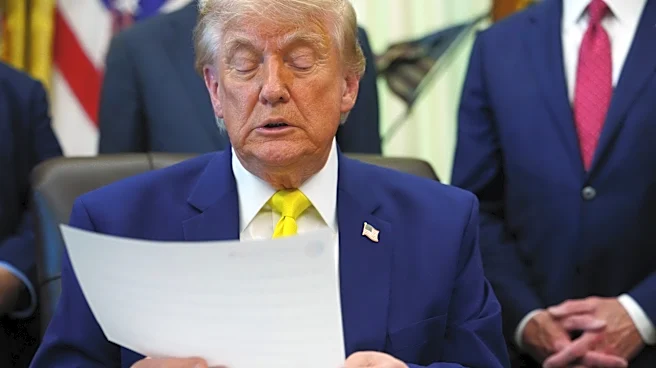
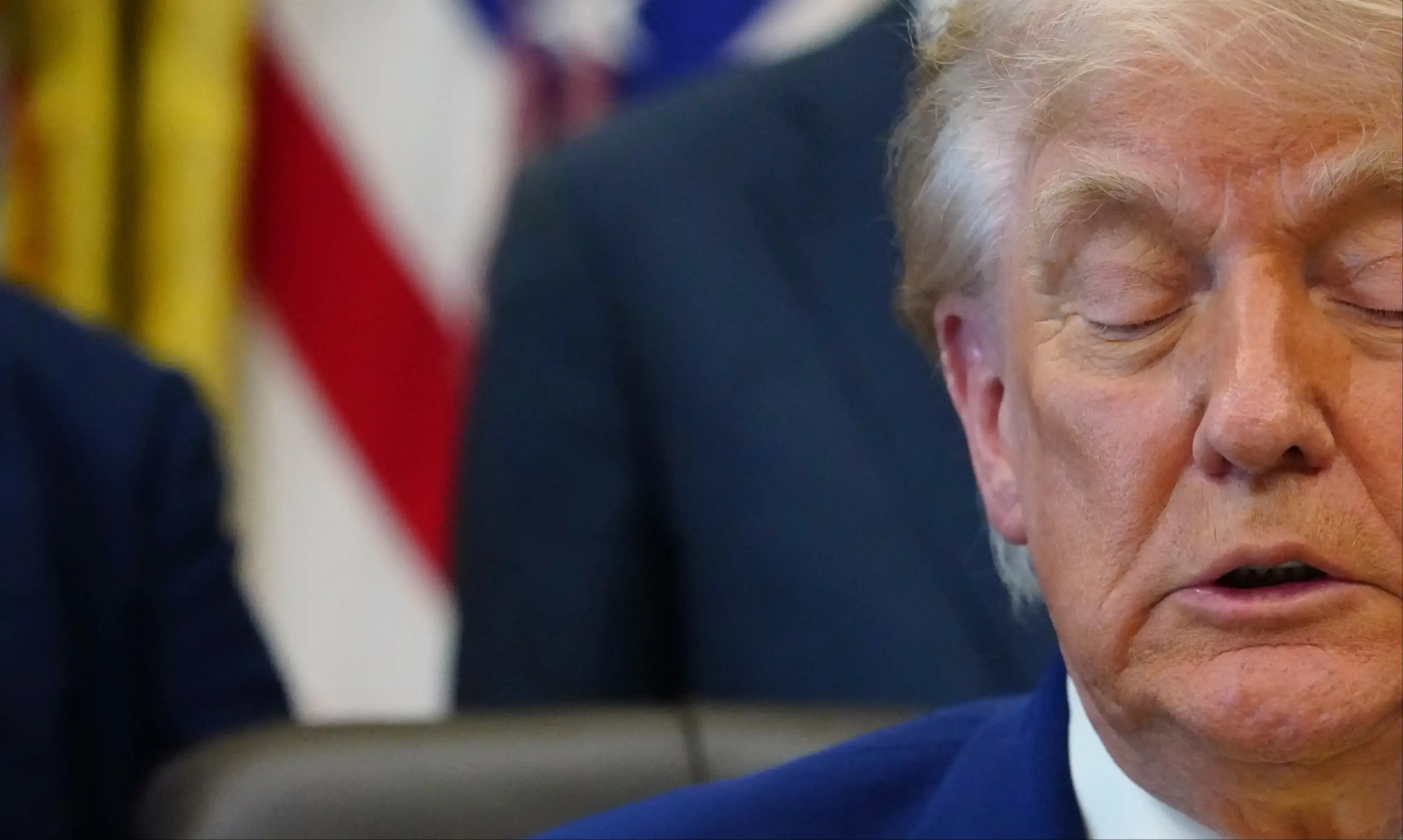
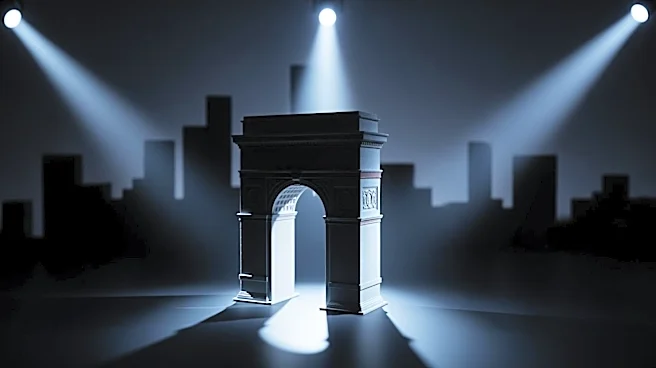
President Donald Trump's proposal to construct a monumental triumphal arch in Washington, DC has sparked significant public opposition. During a National Capital Planning Commission (NCPC) meeting, numerous veterans, preservationists, and members of the
public voiced their disapproval. Despite the overwhelming negative feedback, the commission, largely composed of administration loyalists, voted nine to one in favor of advancing the conceptual plans. The proposed arch, intended to be located near Arlington National Cemetery, has been criticized for its potential to overshadow the cemetery and for being a symbol of vanity. The commission's chair, William Scharf, argued that the 1910 Height of Buildings Act, which limits construction height in the capital, does not apply to federal projects, setting a legal precedent for the arch's approval.
Why It's Important?
The decision to move forward with the arch project despite public opposition highlights tensions between federal authority and public sentiment. The arch's location near Arlington National Cemetery, a site of national significance, raises concerns about respecting historical and cultural landmarks. The project also underscores ongoing debates about the role of federal oversight in urban planning and the preservation of public spaces. The controversy reflects broader societal divisions regarding President Trump's policies and their impact on national heritage and identity. The outcome of this project could influence future federal construction initiatives and public engagement in governmental decision-making processes.
What's Next?
The next steps involve further reviews and potential legal challenges, particularly concerning the Height of Buildings Act. The Department of the Interior is expected to provide additional clarity and authorization for the project. Public opposition may continue to grow, potentially leading to protests or legal actions aimed at halting the construction. The NCPC's decision could set a precedent for future federal projects, impacting how public spaces are developed and preserved in Washington, DC. Stakeholders, including veterans' groups and preservationists, are likely to remain vocal in their opposition, advocating for alternative solutions that respect the historical significance of the proposed site.