




What's Happening?
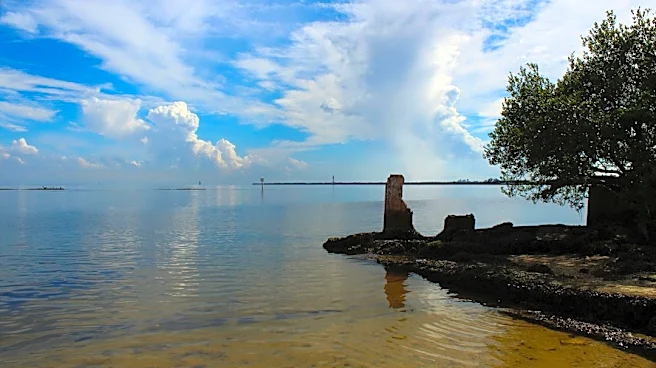
The Tampa Bay area is currently experiencing warm temperatures and high sunshine, with highs expected to reach the upper 80s. Humidity is gradually rising throughout the region. However, this weather pattern is set to change as a weekend cold front approaches.
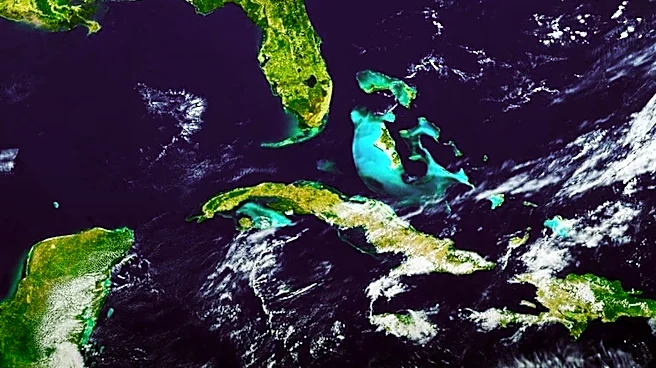
Spotty rain chances, with 20% to 40% coverage, are anticipated to return from Thursday through the weekend. Humidity is expected to peak late in the week before the cold front moves across Florida, which will bring a noticeable drop in dew points. The Atlantic tropics remain quiet, with forecasters not monitoring any areas for potential tropical development. This weather information is based on official forecasts and atmospheric monitoring for the Tampa Bay region.
Why It's Important?
The fluctuating weather patterns in Tampa Bay, characterized by warm temperatures, rising humidity, and an approaching cold front, have several important implications for residents and local industries. The warm and humid conditions can increase energy consumption due to air conditioning use, impacting utility costs for households and businesses. For outdoor workers and vulnerable populations, high temperatures and humidity pose health risks, necessitating precautions against heat-related illnesses. The return of spotty rain chances, even if limited, can affect outdoor activities, agriculture, and local events. The eventual drop in humidity brought by the cold front will offer relief from the muggy conditions, potentially improving comfort and reducing the risk of mold growth. The quiet tropical outlook is a significant positive, as it reduces the immediate threat of hurricanes or tropical storms, which can cause widespread damage and economic disruption in Florida.
What's Next?
Residents of Tampa Bay should prepare for the anticipated weather changes in the coming days. From Thursday through the weekend, there will be a 20% to 40% chance of spotty showers, so it would be advisable to have rain gear on hand for outdoor plans. The humidity will continue to rise until late in the week, after which the approaching cold front is expected to bring a significant drop in dew points, leading to more comfortable conditions. Local weather forecasts will continue to monitor the progression of the cold front and any potential shifts in rain coverage. Given the quiet tropical outlook, no immediate hurricane preparedness actions are necessary, but residents should always stay informed about weather updates, especially during hurricane season. Businesses reliant on outdoor activities or sensitive to weather conditions should adjust their operations accordingly.
Beyond the Headlines
The interplay of warm temperatures, humidity, and cold fronts in Florida highlights the state's unique subtropical climate and its broader environmental context. These weather patterns influence everything from local ecosystems to agricultural cycles and tourism. The consistent monitoring of tropical activity, even when quiet, underscores the ever-present risk of hurricanes and the importance of robust emergency preparedness infrastructure in coastal regions. The impact of these weather shifts on daily life, from energy consumption to public health, reflects the intricate relationship between human activity and natural phenomena. Understanding these dynamics is crucial for long-term urban planning, infrastructure development, and public policy decisions aimed at enhancing resilience and sustainability in a climate-sensitive region like Tampa Bay.