

What's Happening?
Mosquito populations in the United States are expected to surge this summer, particularly in major cities such as Los Angeles, Chicago, and New York City. According to a report by pest control company Orkin, these cities are among the top 'hot spots'
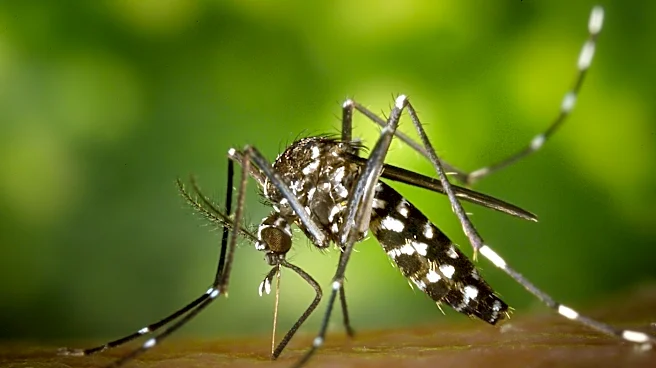
for mosquito activity. The increase in mosquito numbers is attributed to warmer temperatures extending their active season and creating favorable breeding conditions. The Centers for Disease Control and Prevention (CDC) highlights the Aedes aegypti mosquito as a significant concern due to its ability to transmit diseases like Dengue, Zika, chikungunya, and yellow fever. Dr. Roberto Barrera, a lead entomologist at the CDC, emphasizes that mosquitoes are a top public health threat, responsible for spreading viruses that affect millions of people. The report also notes that states like Texas, New York, and Michigan are particularly vulnerable due to their climate and environmental conditions.
Why It's Important?
The anticipated rise in mosquito activity poses a significant public health challenge, as these insects are vectors for several dangerous diseases. The Aedes aegypti mosquito, in particular, is known for spreading viruses that can lead to severe health outcomes. The increase in mosquito populations in densely populated urban areas raises the risk of disease transmission to a large number of people. This situation necessitates heightened public awareness and preventive measures to mitigate the potential health impacts. The economic implications are also notable, as increased mosquito activity can affect tourism and outdoor activities, leading to potential financial losses in affected regions.
What's Next?
As mosquito season progresses, public health officials and local governments are likely to intensify efforts to control mosquito populations and educate the public on preventive measures. This may include increased mosquito surveillance, community outreach programs, and the promotion of personal protective measures such as using insect repellent and eliminating standing water. The CDC and other health organizations may also issue further guidance and updates as the situation develops. Monitoring and responding to mosquito-borne disease outbreaks will be crucial in managing the public health risk.
Beyond the Headlines
The growing threat of mosquito-borne diseases highlights the broader issue of climate change and its impact on public health. Warmer temperatures and changing weather patterns are extending the active season for mosquitoes, allowing them to thrive in new areas. This trend underscores the need for comprehensive strategies to address climate-related health risks. Additionally, the situation raises ethical considerations regarding resource allocation for disease prevention and control, particularly in underserved communities that may be disproportionately affected by mosquito-borne illnesses.