


What's Happening?
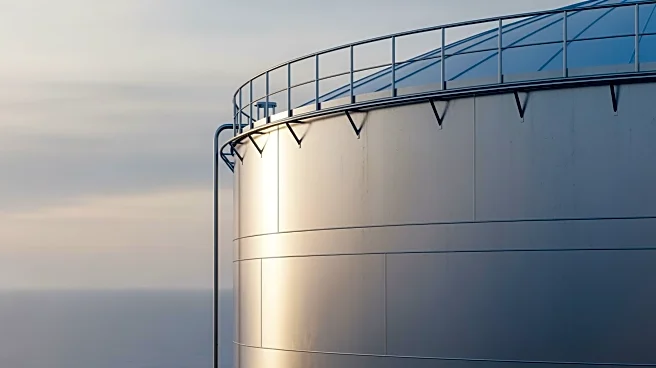
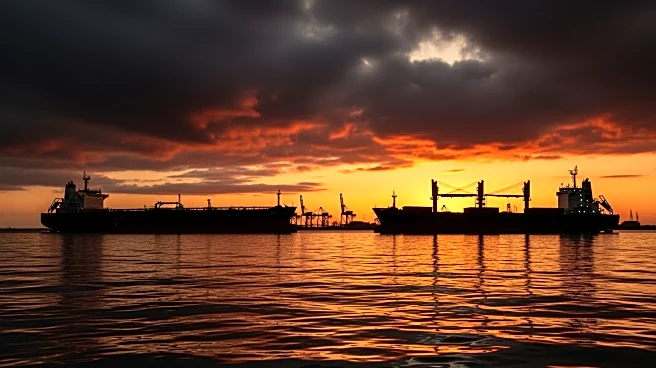
As tensions rise in the Middle East, particularly affecting the Strait of Hormuz, governments are considering the use of strategic reserves to stabilize energy markets. The International Energy Agency (IEA) has suggested that coordinated releases from
these reserves can mitigate disruptions. Historically, the United States has utilized its Strategic Petroleum Reserve during crises such as the Gulf War, Hurricane Katrina, the Libyan civil war, and following Russia's invasion of Ukraine. These actions aim to temporarily inject additional oil into the market to prevent panic-driven price spikes and shortages. However, strategic reserves are not a permanent solution, as they are finite and intended to bridge temporary disruptions rather than replace sustained losses from major producers.
Why It's Important?
The use of strategic reserves is crucial in managing potential energy crises, especially when geopolitical tensions threaten oil supply routes. The ability to stabilize markets through these reserves can prevent severe economic impacts that arise from sudden oil shortages and price spikes. This is particularly significant for the U.S. and global economies, which are heavily reliant on stable energy supplies. The debate over potential oil price increases highlights the importance of strategic reserves in providing a buffer while markets adjust. Analysts warn that severe disruptions could lead to dramatic price hikes, but the flexibility of global supply networks and the strategic use of reserves can mitigate these risks.
What's Next?
The situation remains fluid, with the potential for either a historic supply disruption or stabilization through coordinated action. The effectiveness of strategic reserves will depend on how quickly other producers can increase output or redirect shipments if exports from the Persian Gulf are significantly constrained. Governments and energy producers are likely to respond aggressively to prevent a prolonged crisis, and markets are currently weighing these possibilities. The coming weeks will be critical in determining whether strategic reserves can effectively manage the current geopolitical and energy supply challenges.