
What's Happening?
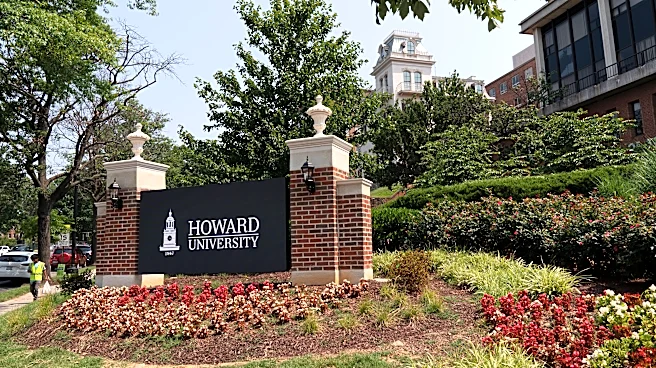
Howard University has unenrolled 502 incoming first-year students due to unmet tuition payment requirements, just weeks before the fall semester begins on August 17. The affected students, including A’Zariah
Miles from Knoxville, Tennessee, were informed that their enrollment was canceled because their financial accounts did not meet the necessary obligations by the deadlines communicated by the university. Howard University, a historically Black institution, had been sending notifications since March regarding enrollment requirements and payment deadlines. The university acknowledged potential timing discrepancies between financial aid postings and final charge assessments, advising students to contact the Bursar’s Office for individual case reviews. The situation has caused distress among students and parents, many of whom have taken to social media to express their concerns.
Why It's Important?
This development is significant as it highlights the financial challenges faced by students and educational institutions. The mass unenrollment at Howard University, a prominent historically Black college, underscores the financial pressures on students to meet tuition deadlines, which can impact their educational trajectories. The situation also reflects broader issues within higher education regarding affordability and access, particularly for minority students. The university's decision could affect its reputation as a nurturing environment for Black students, as noted by experts in higher education. The incident may prompt discussions on financial aid policies and the support systems available to students to prevent similar occurrences in the future.
What's Next?
Howard University has indicated that students who believe their financial standing was inaccurately reflected should contact the Bursar’s Office for a review. This suggests that the university may reconsider some cases, potentially reinstating students who can demonstrate financial readiness. The situation may also lead to increased scrutiny of the university's financial aid processes and communication strategies. Stakeholders, including educational policymakers and advocacy groups, might push for reforms to ensure that financial barriers do not impede access to higher education, particularly at historically Black colleges and universities.