



What's Happening?
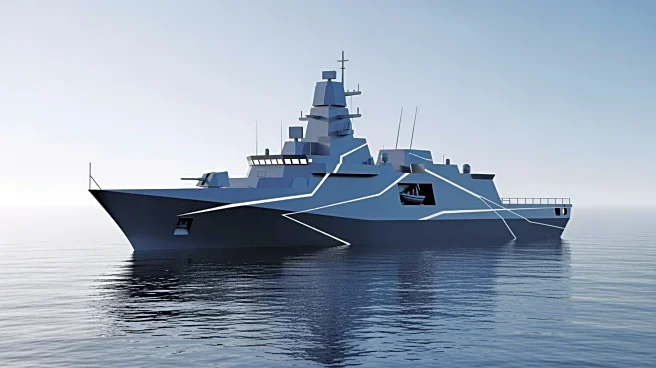
Fincantieri Marine Group, the U.S. subsidiary of the Italian shipbuilder, is adapting its strategy after the U.S. Navy reduced its contract for Constellation-class frigates from six to two. In response, the Naval Sea Systems Command (NAVSEA) has issued
a request for proposal for a vessel construction manager to oversee the acquisition of new Medium Landing Ships (LSMs). These ships will be constructed at Bollinger Shipyard in Louisiana and Fincantieri Marinette Marine in Wisconsin. The strategy aims to maximize commercial practices, accelerate delivery, and expand the U.S. shipbuilding industrial base. Fincantieri will build four LSMs based on Damen Naval's LST 100 design to mitigate technical and schedule risks.
Why It's Important?
This strategic pivot by Fincantieri Marine Group highlights the dynamic nature of defense contracting and the need for flexibility in response to changing military requirements. The shift from frigates to landing ships reflects the U.S. Navy's evolving priorities and the importance of maintaining a robust and adaptable shipbuilding industry. By focusing on less complex vessels, the Navy aims to streamline processes and reduce bureaucracy, potentially leading to faster delivery times and cost savings. This move could strengthen the U.S. shipbuilding sector and ensure that it remains competitive and capable of meeting future defense needs.
What's Next?
The contract for the new Medium Landing Ships is expected to be awarded by mid-2026. As the U.S. Navy continues to refine its strategic objectives, further adjustments in shipbuilding contracts may occur. Stakeholders, including shipbuilders and defense contractors, will need to remain agile and responsive to these changes. The success of this new strategy will depend on effective collaboration between the Navy, the vessel construction manager, and the shipyards involved. The outcome of this initiative could influence future procurement strategies and the overall direction of U.S. naval capabilities.