




What's Happening?
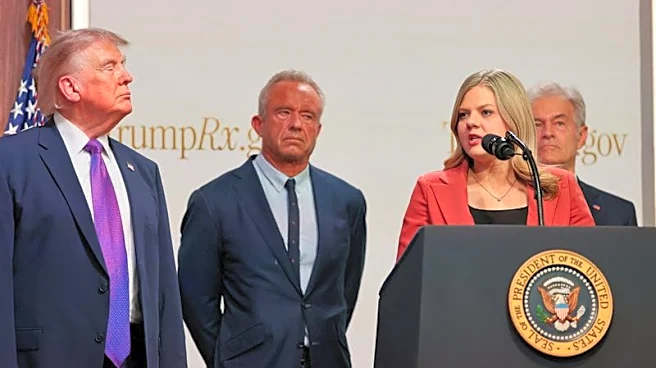
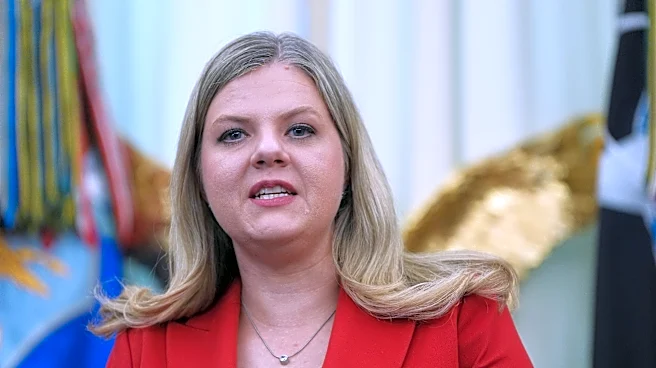
Senator Bill Cassidy (R-La.), Chairman of the Senate Health Committee, has voiced strong concerns regarding President Trump's nomination of Dr. Heidi Overton to lead the Food and Drug Administration (FDA). Senator Cassidy, a physician, stated that Dr. Overton's
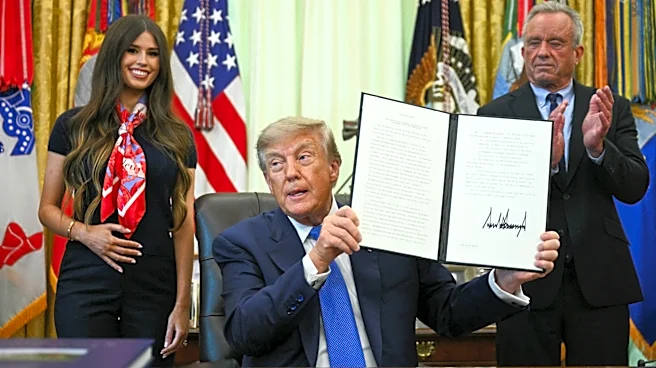
involvement in the administration's recent executive order to reduce and separate childhood vaccine schedules is "almost disqualifying." He criticized her lack of managerial experience, suggesting it makes her ill-prepared to lead a large organization like the FDA, which is currently facing staffing and morale issues. Dr. Overton supports Health and Human Services Secretary Robert F. Kennedy Jr.'s 'Make America Healthy Again' movement and was present when President Trump signed the vaccine executive order on August 10. President Trump announced his intention to nominate Dr. Overton via a Truth Social post, three months after his first FDA commissioner, Marty Makary, resigned. Before her current role as a top White House domestic policy adviser on health issues, Dr. Overton served as vice chair and chief policy officer at the America First Policy Institute, a conservative think tank.
Why It's Important?
Senator Cassidy's criticism of Dr. Overton's nomination is significant because he chairs the Senate Health Committee, which will oversee her confirmation process. His strong opposition, particularly his assertion that her role in the vaccine order is "almost disqualifying," indicates a potentially contentious confirmation hearing. The FDA plays a critical role in safeguarding public health by ensuring the safety and efficacy of drugs, vaccines, and other medical products. A commissioner whose commitment to established scientific principles is questioned could undermine public trust in the agency and potentially impact its regulatory decisions. The controversy also highlights a broader political and scientific divide regarding public health policies, particularly concerning vaccines. If confirmed, Dr. Overton's leadership could steer the FDA in a direction that prioritizes alternative health approaches, potentially clashing with conventional medical and scientific consensus. This could have far-reaching implications for public health initiatives, vaccine development, and the agency's international standing.
What's Next?
The nomination of Dr. Heidi Overton will proceed to the Senate Health Committee, chaired by Senator Cassidy, for a confirmation hearing. Given Senator Cassidy's expressed concerns, the hearing is expected to be rigorous, focusing on Dr. Overton's qualifications, managerial experience, and her stance on vaccine policy and scientific integrity. Other senators on the committee are likely to echo or challenge these concerns, leading to a thorough examination of her suitability for the role. The outcome of this confirmation process will depend on Dr. Overton's ability to address these criticisms and garner sufficient support from the committee and the broader Senate. Should she fail to secure confirmation, President Trump would need to nominate another candidate, potentially prolonging the leadership vacancy at the FDA. Conversely, if confirmed, Dr. Overton's tenure would likely be marked by close scrutiny from public health organizations, scientific communities, and the media, particularly regarding the FDA's approach to vaccine regulation and scientific guidance.
Beyond the Headlines
The controversy surrounding Dr. Overton's nomination extends beyond a typical political appointment, touching upon fundamental questions about the role of science in public policy and the independence of regulatory bodies. Her association with the 'Make America Healthy Again' movement and the executive order on vaccine schedules suggests a potential shift towards policies that may diverge from established public health guidelines. This could exacerbate vaccine hesitancy, a growing concern for public health officials, and potentially impact national immunization rates. The debate also underscores the increasing politicization of scientific institutions and the challenges of maintaining scientific integrity in a highly charged political environment. The FDA's leadership is crucial for maintaining the U.S.'s position as a leader in medical innovation and drug development. Any perceived compromise of its scientific rigor could have long-term consequences for research, development, and the global perception of U.S. healthcare standards. This nomination serves as a flashpoint in the ongoing tension between political agendas and evidence-based public health practices.