







What's Happening?
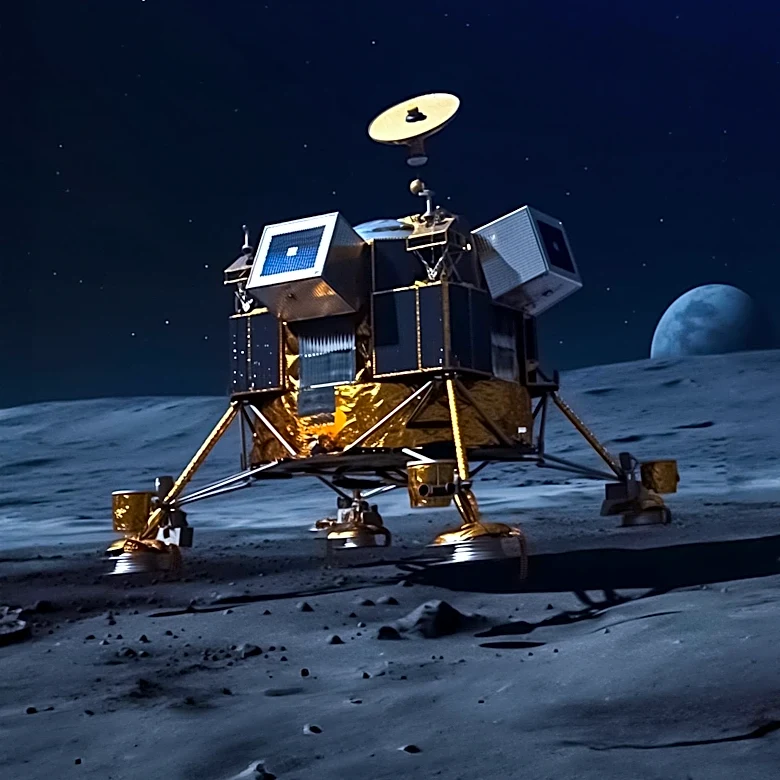
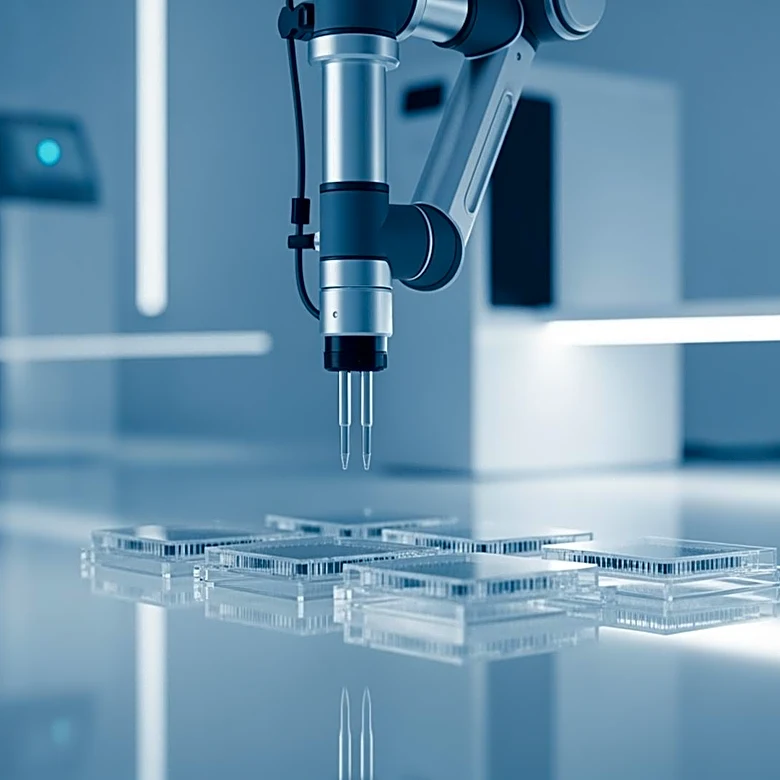
NASA's Artemis II mission is conducting a groundbreaking experiment involving 'avatar' chips, which are designed to model the biological responses of astronauts Victor Glover, Jeremy Hansen, Christina Koch, and Reid Wiseman. These chips, each about the size
of a USB thumb drive, contain bone marrow cells from the astronauts and are part of the Orion spacecraft's journey around the moon. The experiment aims to understand the effects of deep-space travel on human biology, particularly focusing on radiation exposure. The chips are a proof-of-concept to see if they can accurately reflect changes that occur in the astronauts' bodies during space travel. This initiative is part of NASA's broader goal to establish a sustainable human presence on the moon and eventually explore further into the solar system.
Why It's Important?
The experiment is significant as it could revolutionize how NASA prepares for long-duration space missions. By using these chips to model human biological responses, NASA can potentially predict and mitigate health risks associated with deep-space travel, such as radiation exposure. This could lead to personalized medical regimens for astronauts, enhancing their safety and performance. The success of this experiment could also pave the way for more extensive use of organ-on-a-chip technology in space, providing a safer and more ethical alternative to human and animal testing. This advancement is crucial for the future of space exploration, as understanding and managing the health risks of space travel is essential for missions to Mars and beyond.
What's Next?
Following the splashdown of the Orion spacecraft, scientists will analyze the chips to compare the biological changes with those observed in the astronauts themselves. This analysis will help determine the reliability of the chips as indicators of human biological responses in space. If successful, this technology could be used in future missions to pre-test the effects of space travel on various organ systems, potentially leading to more informed and safer space exploration strategies. The results could also influence the design of future space missions and the development of new health protocols for astronauts.