




What's Happening?
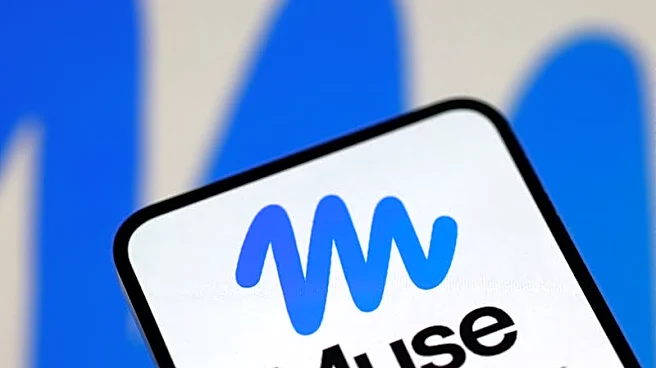
Jesscia Hische, a Bay Area lettering artist, has faced significant backlash from the design community after designing the 'M' logo for Meta's new AI assistant, Muse. Hische, who runs two brick-and-mortar art and stationery shops in Oakland, took on the freelance
project to support her small businesses, citing slow client work and razor-thin margins. Despite anticipating some negative reactions due to the controversial nature of both AI and Meta, the intensity of the criticism, including accusations of 'selling out' and personal attacks, caught her off guard. Hische defended her decision by explaining her financial need and highlighting that Meta chose to hire an independent artist rather than using generative AI, a point she believed would be seen positively. However, the backlash underscored deep public distrust and strong ethical concerns within the artistic community regarding AI and Meta's practices.
Why It's Important?
This incident highlights the growing ethical dilemmas faced by creative professionals in the age of artificial intelligence and the polarized public sentiment surrounding major tech companies. For artists and designers, the decision to work with AI-focused projects or large tech entities like Meta can be fraught with moral and financial considerations. The backlash against Hische reveals a significant divide within the creative community, where some view any collaboration with AI or certain tech giants as a betrayal of artistic integrity or a contribution to potentially harmful technologies. This situation could influence future freelance artists' decisions, potentially leading to a more cautious approach to such projects or a greater demand for ethical guidelines in AI development. It also underscores the broader societal challenge of reconciling technological advancement with ethical concerns and public trust, particularly when it involves data-intensive AI platforms.
What's Next?
The incident may prompt Meta and other tech companies to re-evaluate their engagement strategies with the creative community, potentially leading to more transparent communication about their AI development processes and ethical considerations. Artists and designers might increasingly demand clear ethical clauses in contracts related to AI projects, or form collective bodies to establish industry standards for AI collaboration. The ongoing public debate about AI's role in creative fields and its impact on human labor is likely to intensify, potentially influencing policy discussions around intellectual property, fair compensation, and the responsible use of AI in creative industries. For individual artists, the incident serves as a cautionary tale, emphasizing the need to weigh financial opportunities against potential reputational risks and ethical concerns in a rapidly evolving technological landscape.
Beyond the Headlines
The controversy surrounding Jesscia Hische's design for Meta's AI logo delves into deeper societal anxieties about the future of human creativity and labor in an AI-dominated world. The strong negative reaction from the artistic community reflects fears that AI could devalue human artistic skill, automate creative jobs, and lead to a loss of authenticity in art. The criticism also touches upon the broader issue of corporate power and the perceived ethical compromises artists might make when working with large tech entities. This incident is a microcosm of the larger struggle to define the role of AI in society—whether it is a tool to augment human capabilities or a force that displaces them. It also highlights the challenge of maintaining ethical integrity in a capitalist system where financial pressures can often outweigh moral considerations, particularly for small business owners. The debate over AI's impact on art and ethics is far from over and will continue to shape the cultural and economic landscape for years to come.