







What's Happening?
Kuwait has reported a missile and drone attack, which it attributes to Iran, marking a significant breach of the current ceasefire in the ongoing conflict involving Iran. The U.S. military condemned the attack, describing it as a severe violation of the ceasefire agreement.
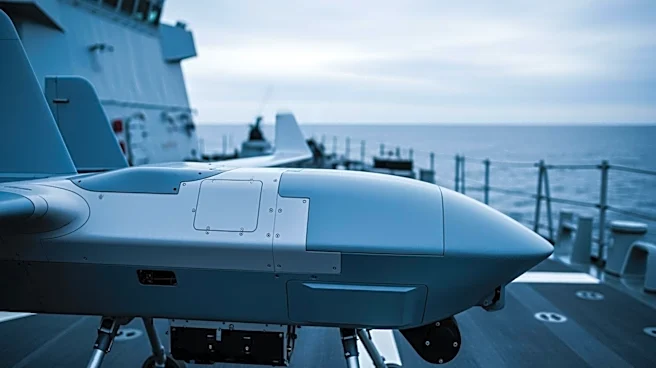
This incident follows a series of retaliatory strikes between the U.S. and Iran, with both sides accusing each other of aggression. The U.S. has been involved in defensive actions, targeting Iranian missile sites and drones, while Iran claims its actions are in response to U.S. provocations. The situation remains tense as diplomatic efforts to resolve the conflict continue.
Why It's Important?
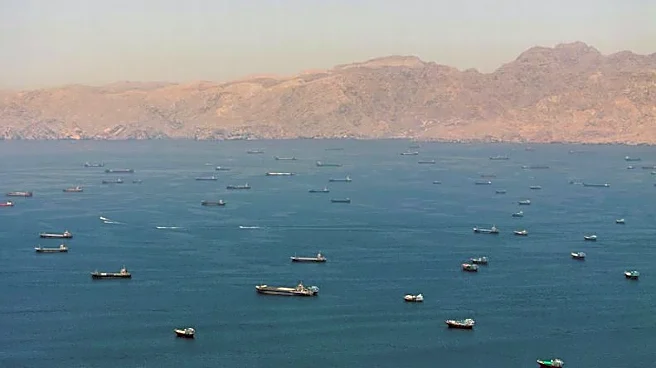
The attack on Kuwait underscores the volatility in the Persian Gulf region and the challenges in maintaining a ceasefire between the U.S. and Iran. Kuwait, a key U.S. ally, plays a strategic role in the region, hosting significant U.S. military assets. The escalation of hostilities threatens regional stability and could disrupt global oil supplies, given the proximity to the Strait of Hormuz, a critical chokepoint for oil transportation. The incident highlights the fragile nature of the ceasefire and the potential for further conflict, which could have wide-ranging implications for international security and the global economy.
What's Next?
The international community is likely to increase diplomatic efforts to de-escalate tensions and reinforce the ceasefire. The U.S. and its allies may consider additional sanctions or military measures to deter further Iranian aggression. Meanwhile, negotiations to reopen the Strait of Hormuz and address Iran's nuclear ambitions are expected to continue. The outcome of these talks will be crucial in determining the future stability of the region and the prospects for a lasting peace agreement.