









What's Happening?
One year after President Trump signed the 'One Big Beautiful Bill' into law, the United States is experiencing significant economic and environmental repercussions. The legislation, which aimed to reduce investments in renewable energy, has led to the elimination
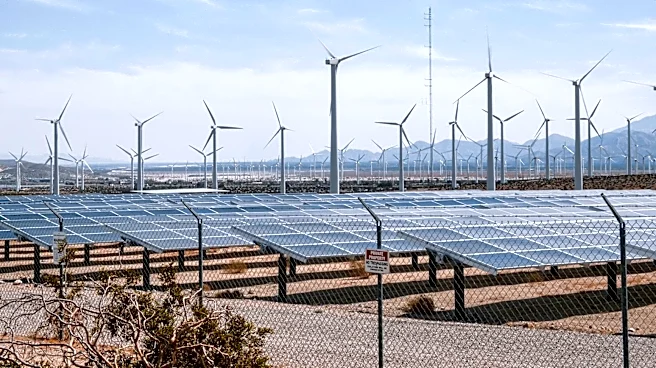
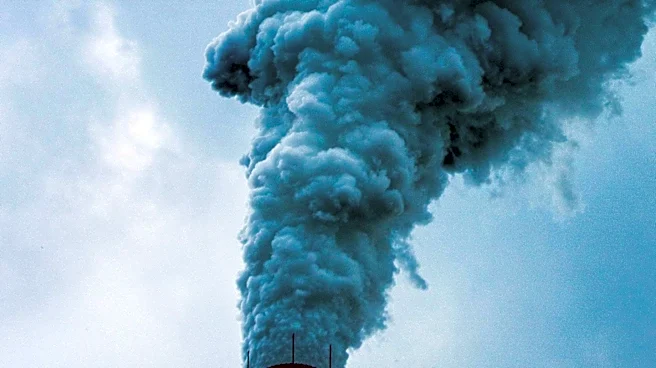
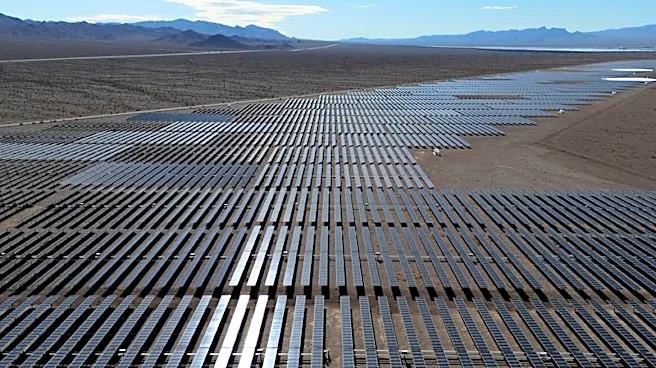
of over $7.5 billion in clean energy funding, resulting in the loss of thousands of domestic jobs. Additionally, the cost of electricity has risen, with families paying an average of $429 more annually on utilities since January 2025. The bill has also contributed to an increase in pollution, with toxic emissions from coal plants reaching a 25-year high. Despite these challenges, renewable energy sources like solar and offshore wind are gaining traction, with solar energy surpassing coal in output for the first time in U.S. history.
Why It's Important?
The consequences of the 'One Big Beautiful Bill' highlight the tension between fossil fuel reliance and the transition to renewable energy. The increase in electricity costs and pollution underscores the economic and environmental costs of prioritizing fossil fuels over clean energy. This shift has significant implications for U.S. energy policy, potentially affecting public health and economic stability. The job losses in the renewable sector also raise concerns about the future of green jobs and the country's ability to compete in the global clean energy market. The ongoing success of renewable energy, despite legislative setbacks, indicates a strong public demand for sustainable and affordable energy solutions.
What's Next?
As the effects of the bill continue to unfold, stakeholders in the energy sector, including environmental organizations and clean energy advocates, are likely to push for policy changes that support renewable energy investments. The Sierra Club and other environmental groups may increase lobbying efforts to reverse the bill's impacts and promote legislation that encourages clean energy development. Additionally, the ongoing legal victories for offshore wind projects suggest that the renewable energy sector will continue to seek judicial support to advance its initiatives. Policymakers may face increasing pressure to address the economic and environmental challenges posed by the bill.
Beyond the Headlines
The broader implications of the 'One Big Beautiful Bill' extend beyond immediate economic and environmental impacts. The legislation reflects a broader ideological divide over energy policy and climate change, with potential long-term effects on U.S. leadership in global environmental initiatives. The public's growing preference for renewable energy could influence future elections and policy decisions, potentially leading to a shift in national energy strategy. The bill also raises ethical questions about the responsibility of governments to balance economic growth with environmental stewardship and public health.