



What's Happening?
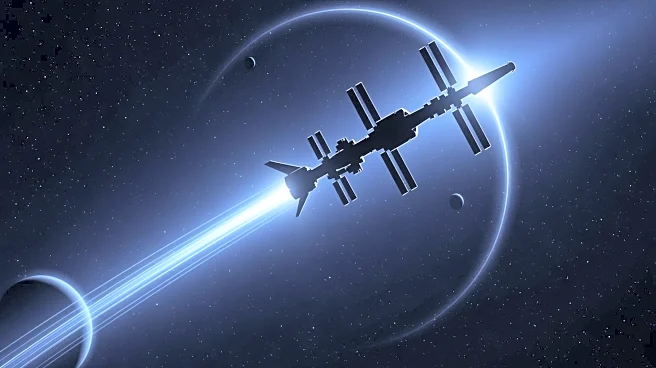
This Christmas, early risers across North America and Europe will have the opportunity to witness a unique celestial event. The International Space Station (ISS) will make a bright flyby in the pre-dawn hours of December 24 and 25. As the ISS orbits the Earth
every 90 minutes, it will reflect sunlight, making it one of the brightest objects in the sky during these times. The event is expected to create a striking visual display that can be observed with the naked eye, without the need for telescopes or binoculars. The ISS will appear as a steady, silent light moving smoothly across the sky, distinct from airplanes which typically blink and leave trails. Viewing times will vary by location, with major cities like New York, Chicago, and Toronto having specific windows to observe the flyby.
Why It's Important?
The ISS flyby offers a rare opportunity for the public to engage with space exploration in a direct and visually impactful way. Such events can inspire interest in science and technology, particularly among young observers who may be seeing the ISS for the first time. The visibility of the ISS during this period highlights the ongoing human presence in space and the collaborative international efforts that sustain it. Additionally, the event serves as a reminder of the technological advancements that allow for such a massive structure to orbit the Earth and be visible from the ground. This can foster a sense of global unity and curiosity about space exploration and its potential benefits for humanity.
What's Next?
Following the Christmas flyby, the ISS will continue its regular orbit, providing opportunities for future sightings. NASA's Spot the Station service offers information on when the ISS will be visible from various locations, allowing enthusiasts to plan for future observations. The continued visibility of the ISS underscores the importance of maintaining and supporting international space programs. As space agencies plan for future missions, including potential lunar and Mars explorations, public interest and support will be crucial. The ISS flyby could also spark discussions about the future of space exploration and the role of international cooperation in advancing scientific knowledge.