
What's Happening?
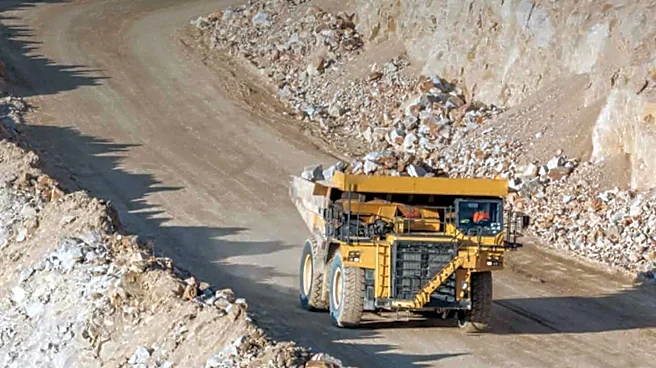
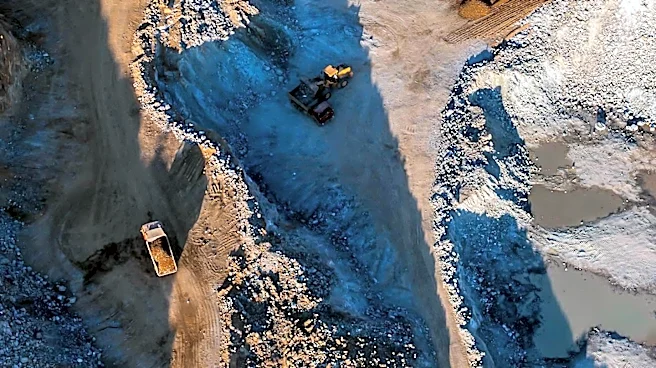
Open pit mining, a surface mining method, involves extracting ore or aggregate from a pit dug downwards from the surface, progressing level by level in steps known as benches. This method is predominantly
used for non-coal materials, such as metal and aggregate deposits, with exceptions for certain near-surface, steeply dipping coal seams. The process begins at the surface and deepens over time, with pit walls designed as stepped benches to provide access for personnel and equipment. The number and dimensions of these benches, along with the pit wall angle, are critical for slope stability, a major safety concern. Mining engineers must ensure stability throughout the mine's operational life. Reclamation efforts, which involve returning waste to its original location, are typically deferred until mine closure to avoid obstructing access to lower ore levels. The pit's deepening continues until the cost of recovering the ore surpasses its market value, at which point operators may close the mine or transition to underground operations.
Why It's Important?
The operational methods and safety considerations in open pit mining are crucial for the U.S. mining industry, which relies heavily on this technique for extracting essential metals and aggregates. Slope stability, identified as a central safety issue, directly impacts worker safety and operational efficiency. Accidents related to slope instability are a leading cause of fatalities in U.S. surface mining operations. Federal regulations, specifically 30 CFR 56.3130 for surface metal and nonmetal mines, mandate mining methods that maintain wall, bank, and slope stability where personnel work or travel. Adherence to these regulations is vital for preventing accidents, ensuring worker well-being, and avoiding costly operational disruptions and legal penalties. The economic decision to cease open pit operations when recovery costs exceed ore value also highlights the financial sensitivities and long-term planning required in the U.S. mining sector, influencing investment and resource availability.
What's Next?
The U.S. mining industry will continue to focus on advanced geotechnical engineering and monitoring technologies to enhance slope stability and overall safety in open pit operations. Ongoing research and development in this area, as evidenced by conference papers on assessing and monitoring highwalls, will likely lead to improved practices and equipment. Operators will need to remain vigilant in complying with Mine Safety and Health Administration (MSHA) standards, such as 30 CFR 56.3130, which dictate safe benching and pit wall angles. As pits deepen, the industry will face increasing challenges related to stripping ratios and haulage costs, prompting continuous evaluation of operational efficiency and the economic viability of extending open pit mines versus transitioning to underground methods. The long-term trend will involve balancing resource extraction with stringent safety protocols and environmental considerations.
Beyond the Headlines
The discussion of open pit mining extends beyond immediate operational concerns to broader environmental and social implications. While the source notes that reclamation is deferred until mine closure, the long-term environmental impact of large-scale open pits, including land disturbance and potential water contamination, remains a significant consideration. The distinction between open pit mining for non-coal materials and coal itself also highlights the diverse regulatory and environmental challenges associated with different types of mining. For communities near mining sites, the visual impact and potential for long-term land alteration are important issues. The economic threshold at which a pit becomes uneconomic also raises questions about resource depletion and the transition to alternative materials or more sustainable extraction methods in the future. These factors contribute to ongoing debates about land use, environmental protection, and the future of resource industries in the U.S.