








What's Happening?
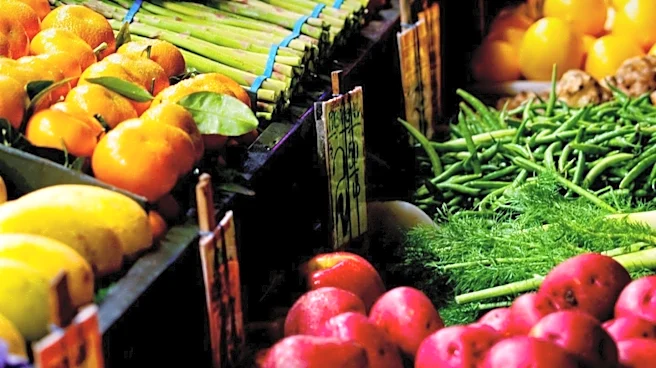
A significant outbreak of cyclospora infections has affected over 1,500 individuals in Michigan and is being investigated in 30 other states, marking one of the largest outbreaks in recent years. Cyclospora is a parasite linked to contaminated fresh produce,
causing symptoms like watery diarrhea. The exact source of the outbreak remains unidentified, complicating efforts to trace the contamination. The U.S. Centers for Disease Control and Prevention (CDC) notes that cyclospora infections are treatable with antibiotics and rarely lead to severe complications. The outbreak highlights the importance of food safety practices, especially during the summer when such infections are more common.
Why It's Important?
The outbreak underscores the critical need for stringent food safety measures and public awareness about hygiene practices. With the potential for widespread impact due to the distribution of contaminated produce, the outbreak poses a risk to public health and the agricultural sector. It also stresses the importance of effective tracking and response systems to manage foodborne illnesses. Consumers and businesses alike must adopt rigorous cleaning and handling practices to mitigate risks. The outbreak could lead to increased scrutiny and regulatory measures in the food supply chain, affecting producers, distributors, and retailers.
What's Next?
Ongoing investigations aim to identify the source of the outbreak, which could lead to recalls or other regulatory actions. Public health officials are likely to issue further guidance on safe produce handling. The agricultural and food distribution sectors may face increased regulatory oversight to prevent future outbreaks. Consumers are advised to follow recommended safety practices, such as washing produce thoroughly and maintaining hygiene. The situation may prompt discussions on improving food safety standards and response strategies to protect public health.
Beyond the Headlines
The outbreak raises questions about the effectiveness of current food safety regulations and the challenges in tracing contamination sources. It highlights the need for improved surveillance and rapid response mechanisms to address foodborne illnesses. The situation also points to the broader issue of global food supply chain vulnerabilities, as produce often crosses multiple borders before reaching consumers. This could lead to discussions on international cooperation and standards in food safety to prevent similar incidents in the future.