


What's Happening?
Florida Agriculture Commissioner Wilton Simpson has issued an emergency rule to tighten import restrictions on warm-blooded animals entering the state. This action follows the U.S. Department of Agriculture's confirmation of the New World screwworm in South
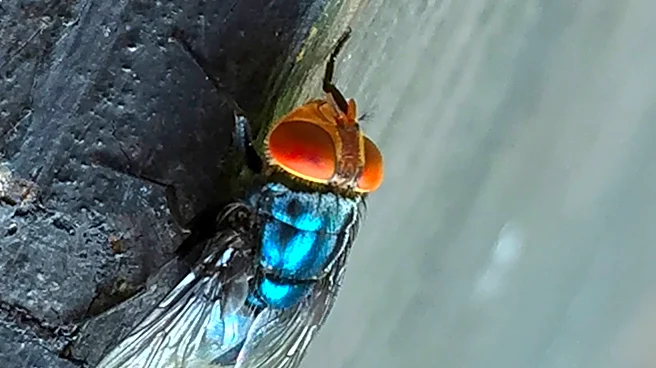
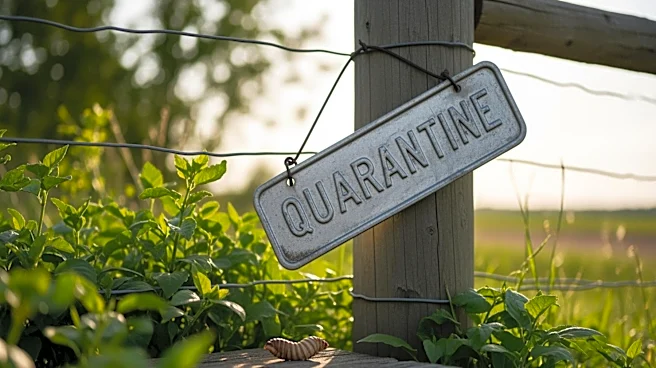
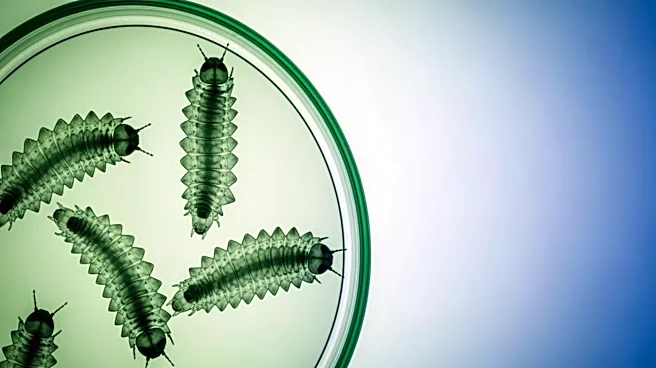
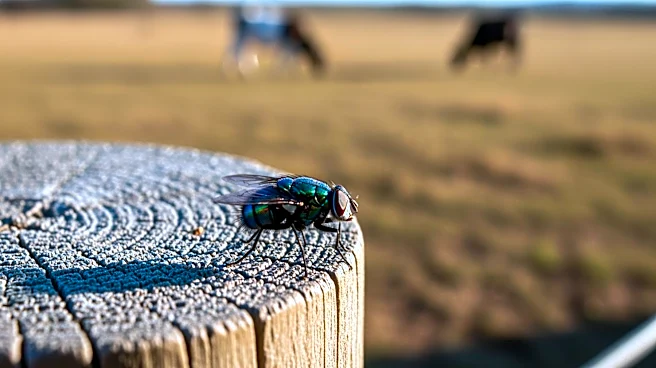
Texas, marking the first domestic case in 45 years. The emergency rule, known as Emergency Rule 5CER26-6, establishes two regulatory tiers for incoming livestock based on their geographic origin. Animals from high-risk areas must now have an Official Certificate of Veterinary Inspection (OCVI) that is valid for only five days. Additionally, there is a temporary ban on animals from infested zones until June 10. The New World screwworm poses a significant threat to Florida's livestock, wildlife, and pets, as the larvae can burrow into living tissue, potentially causing fatal infestations.
Why It's Important?
The reintroduction of the New World screwworm is a serious concern for Florida's agricultural sector, which is a major component of the state's economy. The parasite's ability to thrive in warm, humid climates makes Florida particularly vulnerable. The emergency measures aim to prevent the spread of this pest, which could have devastating effects on livestock and wildlife. The rule underscores the importance of biosecurity in protecting agricultural interests and maintaining the health of animal populations. The economic implications are significant, as an outbreak could lead to substantial financial losses for farmers and ranchers.
What's Next?
The emergency rule is set to remain in effect until June 10, after which further assessments will determine the need for continued restrictions. Florida's Department of Agriculture and Consumer Services will continue to monitor the situation closely, coordinating with federal and regional authorities. Ranchers and veterinarians are advised to report any suspected cases of screwworm infestation. The state may implement additional measures if the threat persists, and ongoing surveillance will be crucial in preventing the spread of the parasite.