




What's Happening?
Maui Nui Venison, a company in Hawaii, is actively addressing the environmental crisis caused by the overpopulation of invasive axis deer by harvesting them for food. The axis deer, originally introduced to Hawaii in 1868 and later brought to Maui in the 1950s
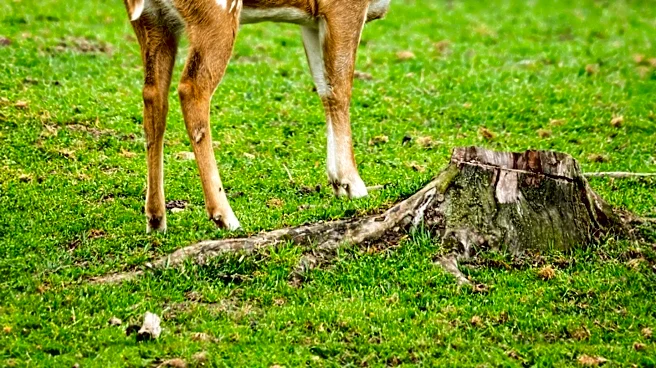
for recreational hunting, have no natural predators in the islands and breed year-round, leading to an estimated 60,000 deer across Lanai, Maui, and Molokai. These deer consume native grasses and endangered plants, destroy farmers' crops, and exacerbate drought conditions, prompting Hawaii's Governor Josh Green to declare a state of emergency multiple times. Maui Nui Venison uses night-vision technology, infrared drones, and utility terrain vehicles to cull 40-55 deer nightly from privately owned ranches, under the supervision of USDA inspectors. The venison is processed into steaks, ground meat, bone broth, jerky, and health supplements, and is also distributed free to the community through the Holo ‘Ai program.
Why It's Important?
This initiative by Maui Nui Venison offers a multi-faceted solution to a significant environmental and economic challenge in Hawaii. The overpopulation of axis deer poses a severe threat to Hawaii's unique biodiversity, including endangered native plants and forest birds, and impacts the agricultural sector by destroying crops and cattle feed. By transforming a destructive invasive species into a valuable food resource, the company not only helps control the deer population but also provides a sustainable, local protein source for residents. This is particularly crucial for Hawaii, which imports 85-90% of its food, making its food system vulnerable to disruptions, as highlighted during the pandemic. The program also offers an affordable alternative to expensive conventional meats, benefiting local communities and contributing to food security. The involvement of USDA inspectors ensures the harvested venison meets safety and quality standards, making it a viable option for consumption.
What's Next?
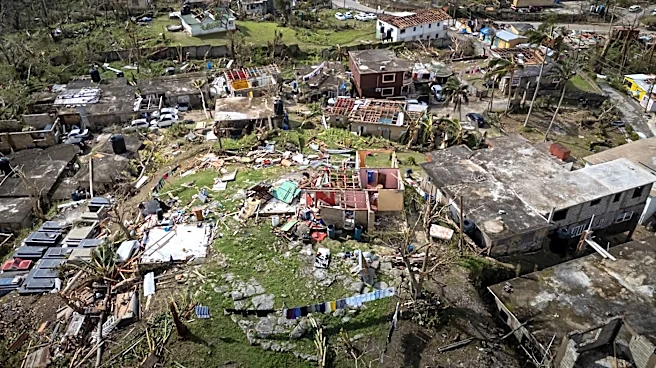
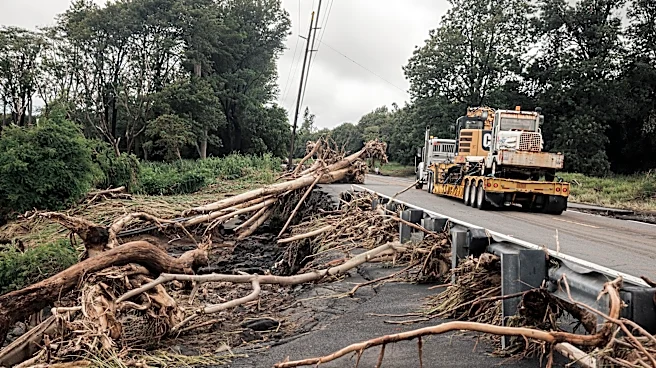
Maui Nui Venison plans to continue its harvesting operations, aiming to balance the axis deer population rather than complete eradication, recognizing them as a resource. The company's Holo ‘Ai program, which distributes free ground venison to the community, is expected to expand, especially given the ongoing fragility of Hawaii's food system, as demonstrated by recent storms. Efforts to reforest areas of Ulupalakua Ranch, where deer control allows native trees and birds to thrive, will likely continue and potentially expand. The success of Maui Nui Venison could serve as a model for other regions grappling with invasive species, demonstrating how ecological problems can be mitigated through innovative economic and community-focused solutions. The company's work may also influence local culinary trends, encouraging more chefs and residents to incorporate venison into their diets.
Beyond the Headlines
The story of Maui Nui Venison delves into the complex interplay between ecological conservation, economic sustainability, and cultural adaptation. It challenges the traditional view of invasive species solely as pests, reframing them as a potential resource when managed effectively. This approach highlights the need for creative solutions to environmental problems, especially in vulnerable ecosystems like Hawaii. The initiative also touches upon the broader issue of food sovereignty and resilience, demonstrating how local food production can strengthen communities against external shocks. Furthermore, the project subtly redefines the relationship between humans and nature, moving beyond simple eradication to a more integrated management strategy that acknowledges the ecological and economic realities of an introduced species. The acceptance of venison by local chefs and communities also reflects a cultural shift towards embracing sustainable and locally sourced food options.