






What's Happening?
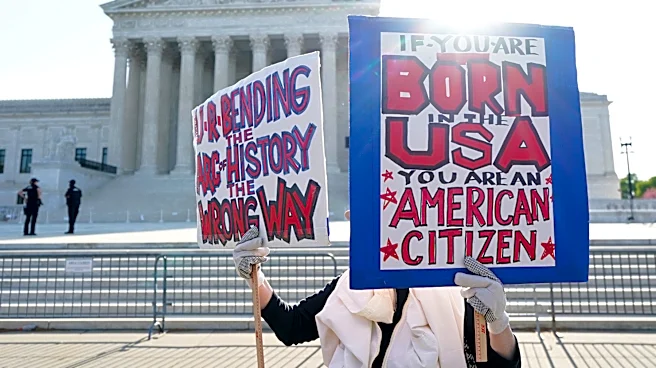
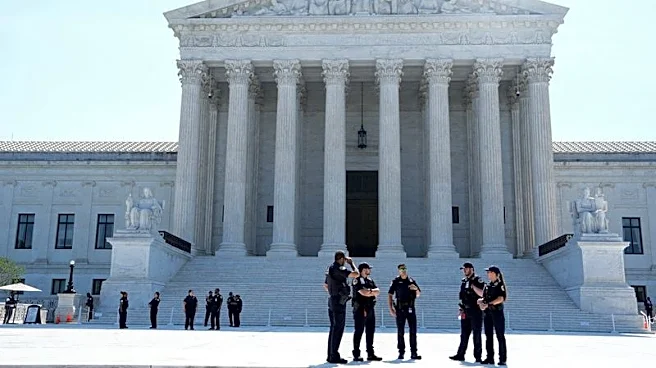
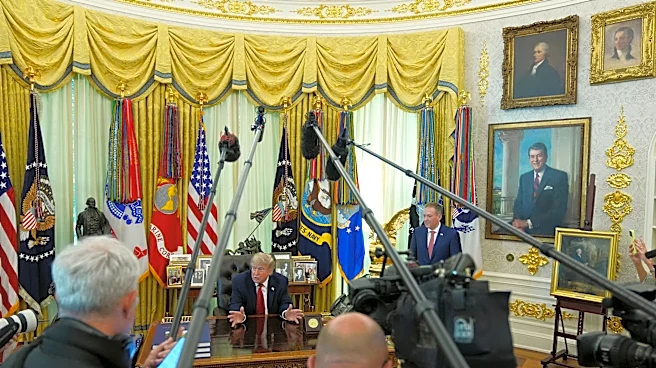
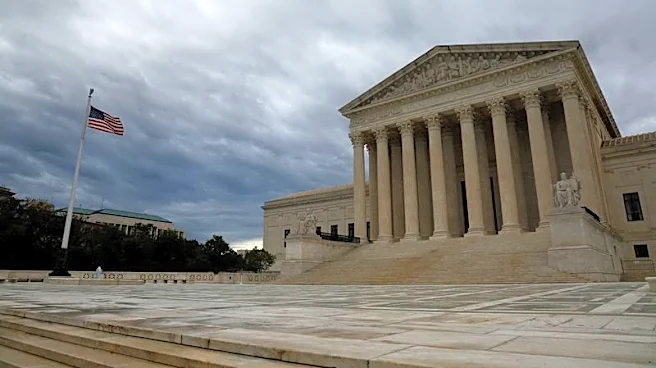
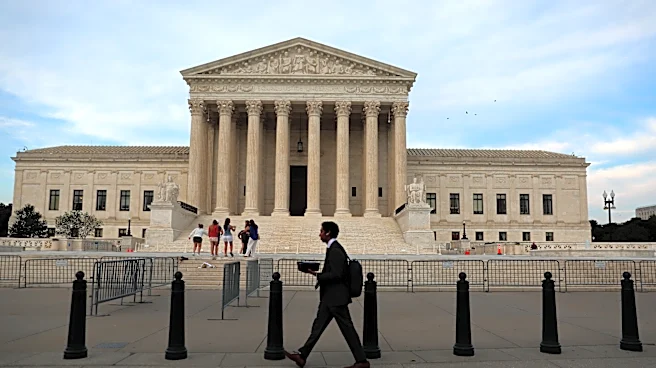
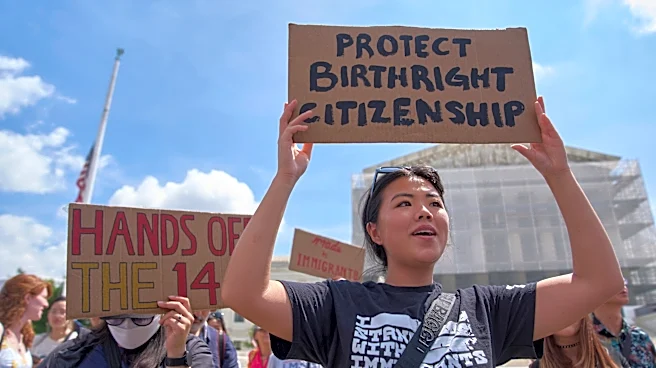
The Supreme Court is set to announce its final decisions for the term, including a pivotal ruling on President Trump's executive order challenging birthright citizenship. This order, which aims to end the automatic citizenship granted by the 14th Amendment
to those born on U.S. soil, has been met with skepticism during oral arguments. The court's decision will address the legality of this executive order, which was signed at the beginning of Trump's second term. Additionally, the court will rule on other significant cases, including state bans on transgender athletes in sports and the limits of presidential power over federal agency appointments.
Why It's Important?
The outcome of the birthright citizenship case could have profound implications for U.S. immigration policy and the interpretation of constitutional rights. A decision supporting the executive order could lead to a reevaluation of citizenship laws and impact millions of individuals born in the U.S. to non-citizen parents. The rulings on presidential powers and transgender athletes will also shape future legal and political landscapes, influencing how executive authority is exercised and how civil rights are protected under the Constitution.
What's Next?
Following the Supreme Court's decisions, there may be legislative responses or additional legal challenges, particularly if the rulings alter existing interpretations of constitutional rights. The decisions could also become central issues in political campaigns and debates, affecting voter sentiment and policy proposals. Stakeholders, including civil rights organizations and political leaders, will likely react to the rulings, shaping the discourse around these critical issues.