






What's Happening?
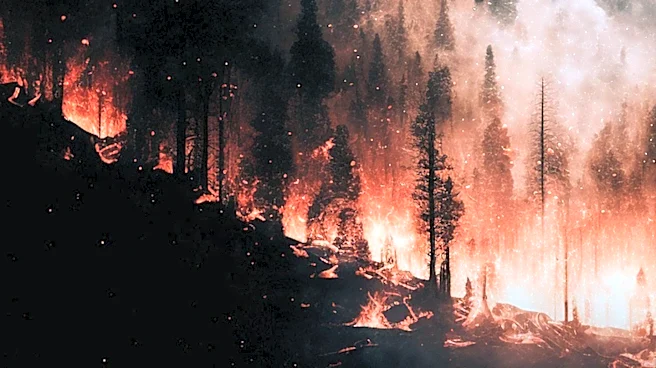
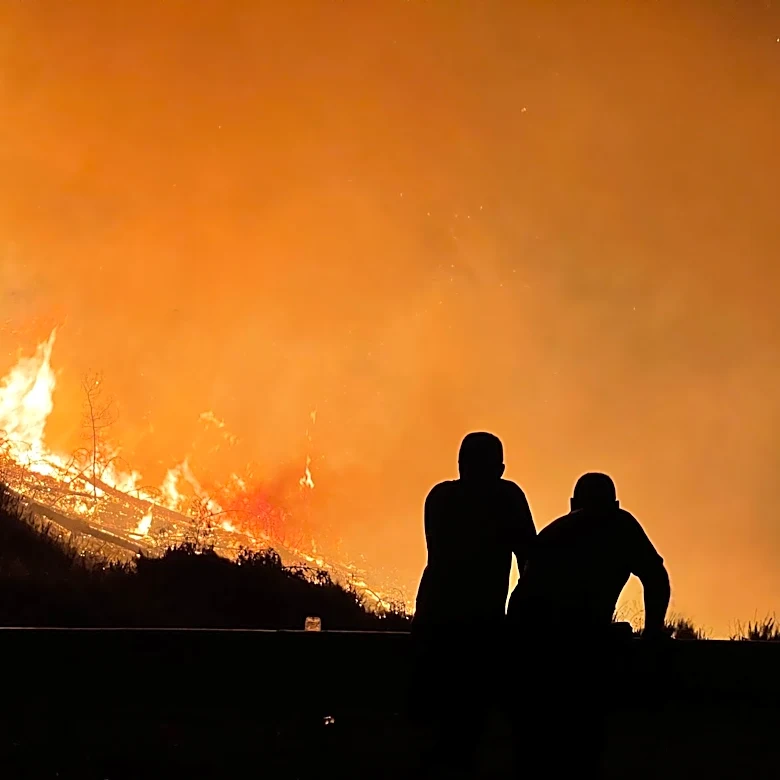
Europe is experiencing record-breaking temperatures, with countries like Austria, Slovakia, and Hungary reaching unprecedented highs. The heatwave, driven by a heat dome, has led to severe drought conditions and widespread wildfires across the continent.
Water levels in the Danube River have dropped to historic lows, revealing archaeological and wartime artifacts. The extreme heat has also impacted energy production, with nuclear power plants in Slovakia and Serbia operating at reduced efficiency due to cooling water shortages.
Why It's Important?
The ongoing heatwave in Europe underscores the growing challenges posed by climate change, particularly in terms of extreme weather events and their impact on infrastructure and natural resources. The drought and wildfires highlight the urgent need for effective climate adaptation strategies to mitigate the effects of such events. The situation also raises concerns about energy security, as reduced water levels affect the cooling processes of power plants, potentially leading to energy shortages. These developments emphasize the importance of international cooperation in addressing climate change and its consequences.
What's Next?
As the heatwave continues, European countries will need to implement measures to manage the immediate impacts, such as providing support to affected communities and ensuring the stability of energy supplies. Long-term strategies will also be necessary to enhance resilience to future climate events, including investments in renewable energy and water management systems. The situation in Europe may serve as a wake-up call for other regions to prioritize climate adaptation and mitigation efforts, recognizing the interconnected nature of global climate challenges.