





What's Happening?
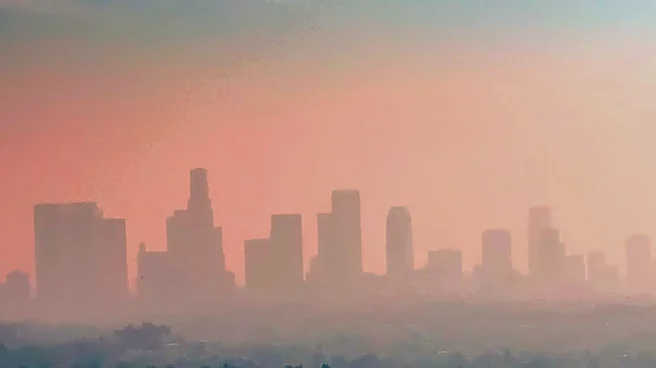
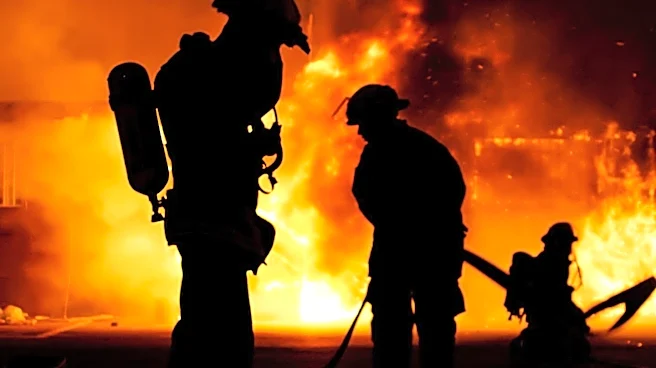
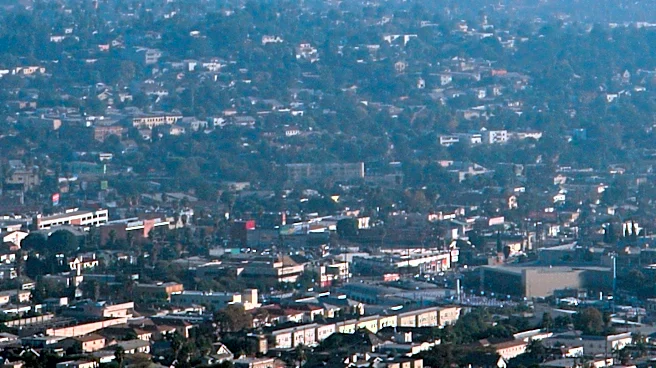
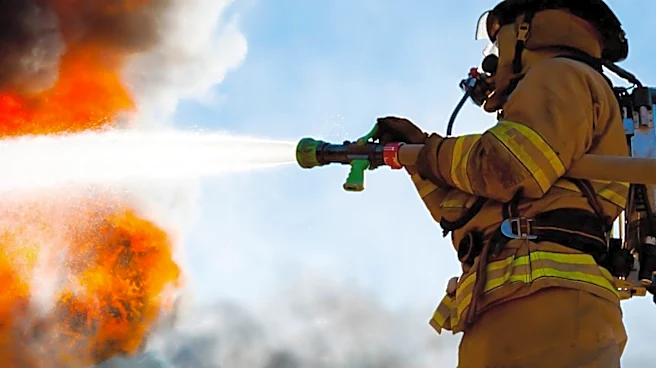
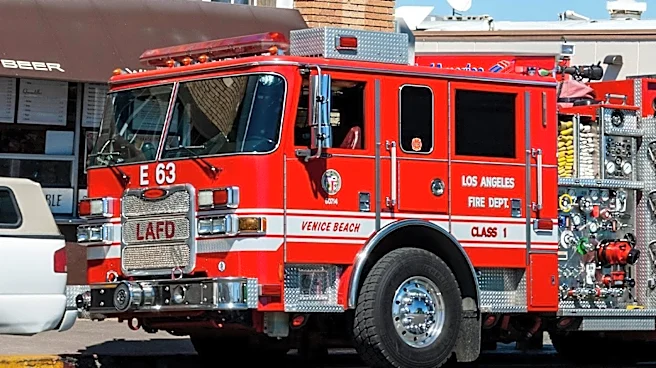
Residents of eastern Los Angeles are facing potential health risks following an eight-day fire at a Boyle Heights warehouse. The facility, owned by Lineage, stored 85 million pounds of frozen food and other products. The fire has resulted in the release
of harmful smoke and soot, raising concerns about the safety of local gardens. Experts warn that the fire may have released toxic chemicals, including heavy metals like lead and arsenic, into the air. The Contaminant Level Evaluation and Analysis for Neighborhoods project at USC is offering free soil testing to assess contamination levels. While the city has not yet announced plans for soil testing, residents are advised to take precautions when handling garden produce.
Why It's Important?
The fire's aftermath poses significant health and environmental concerns for the local community. The potential contamination of soil and produce could impact food safety and public health. Residents may face increased health risks from inhaling toxic particles, and the local ecosystem could suffer long-term damage. The situation highlights the vulnerability of low-income neighborhoods to industrial pollution and the need for effective environmental monitoring and response strategies. The incident underscores the importance of community access to resources for testing and mitigating environmental hazards.
What's Next?
Residents are encouraged to participate in soil testing initiatives to determine contamination levels. The results will guide necessary remediation efforts to ensure garden safety. Local authorities may need to implement additional measures to address air quality and public health concerns. Community engagement and education on safe gardening practices will be crucial in mitigating the fire's impact. Ongoing monitoring and support from environmental agencies will be essential to protect the health and well-being of affected residents.
Beyond the Headlines
The fire raises broader questions about industrial safety and environmental justice. The incident highlights the need for stricter regulations and oversight of industrial facilities, particularly those located near residential areas. It also emphasizes the importance of equitable access to environmental resources and support for communities disproportionately affected by pollution. The situation may prompt discussions on policy reforms to enhance community resilience and environmental protection.