




What's Happening?
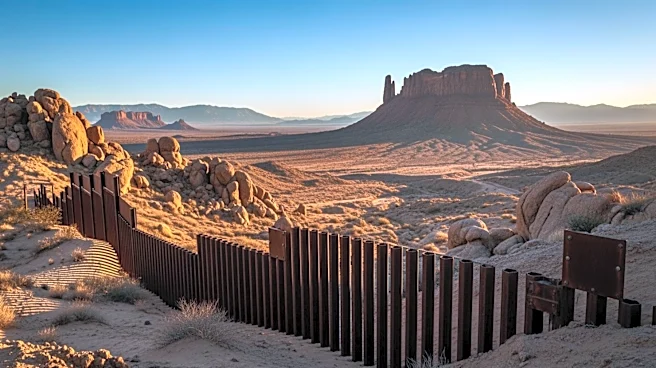
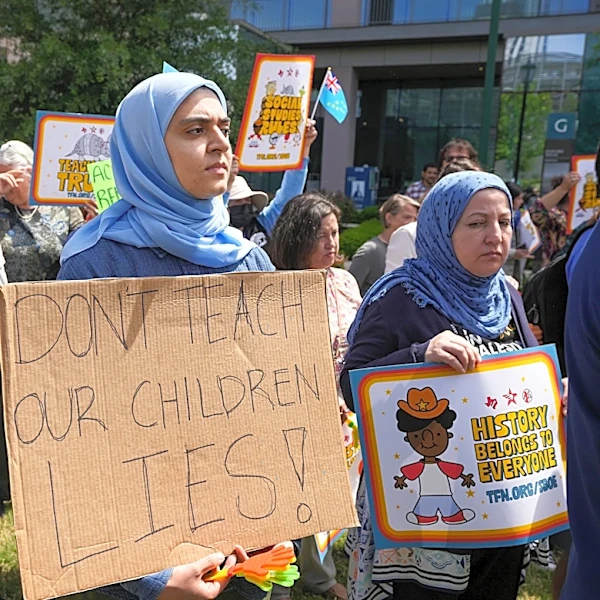
Thousands of protesters gathered at the Texas Capitol to oppose the construction of a border wall through Big Bend National Park. The rally, attended by over 2,000 people, featured bipartisan opposition to the wall, with participants holding signs and sharing
personal stories about the park's significance. The protest reflects widespread concern over the environmental and cultural impact of the wall, which is part of a $46.5 billion border security plan. Critics argue that the wall threatens local wildlife and sacred Native American sites, while supporters of the protest call for alternative border security measures.
Why It's Important?
The protest against the border wall in Big Bend highlights the ongoing debate over balancing national security with environmental and cultural preservation. The park is a cherished public land, known for its unique landscapes and biodiversity. The opposition to the wall underscores the importance of public engagement in policy decisions affecting natural resources. This event also illustrates the potential for bipartisan cooperation on environmental issues, as both Republicans and Democrats express concerns about the wall's impact. The protest could influence future legislative actions and public policy regarding border security and conservation.
What's Next?
The future of the border wall in Big Bend remains uncertain, as public pressure and political negotiations continue. The Customs and Border Protection agency has made adjustments to its plans, but definitive assurances have not been provided. Stakeholders, including local communities and environmental groups, are likely to continue advocating for legislative measures to protect the park. The outcome of these efforts could set a precedent for how similar conflicts are addressed in other regions, potentially shaping national policies on border security and environmental conservation.