







What's Happening?
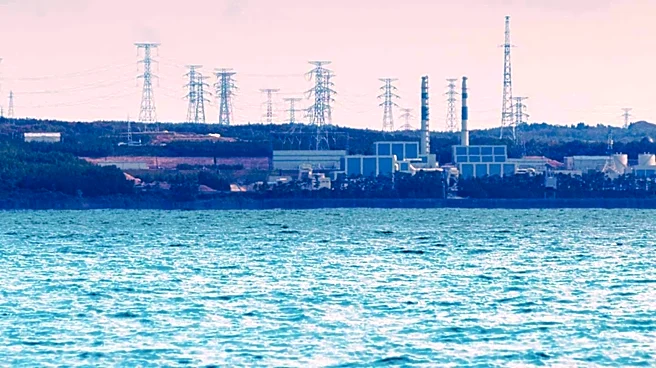
Hungary's Paks nuclear power plant is set to shut down due to record-low water levels in the Danube River, which is essential for cooling the plant. The water level has dropped significantly, preventing the plant's suction nozzles from reaching the river.
This situation is part of a broader trend of low rainfall and high temperatures across Europe. The shutdown could lead to a critical energy supply situation in Hungary, as the plant generates a significant portion of the country's electricity.
Why It's Important?
The shutdown of Hungary's only nuclear power plant highlights the vulnerability of energy infrastructure to climate change. As water levels in rivers drop due to prolonged droughts and heatwaves, nuclear plants that rely on river water for cooling face operational challenges. This situation underscores the need for adaptive strategies in energy production to ensure stability and reliability. The event also raises concerns about energy security and the potential need for alternative energy sources to mitigate the impact of climate-related disruptions.
What's Next?
Hungary's government may need to implement energy-saving measures and explore alternative energy sources to address the potential energy shortfall. The situation could prompt discussions on enhancing the resilience of energy infrastructure to climate change. Additionally, other countries facing similar challenges may need to reassess their energy strategies and consider investments in technologies that are less dependent on water resources.