






What's Happening?
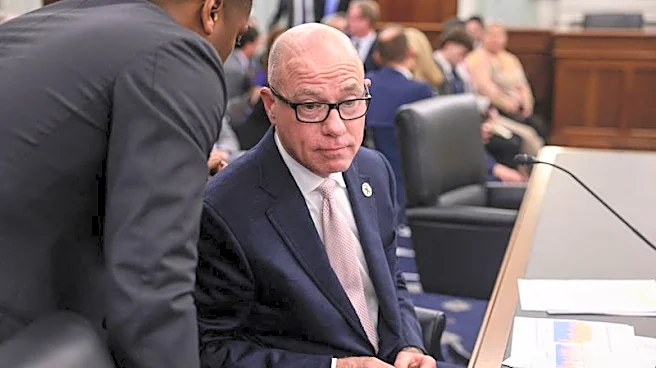
Bloomberg investigations in March 2026 revealed that Tether, a major cryptocurrency issuer, provided a multi-million dollar loan under confidential terms to Dynasty Trust A, the family trust of Commerce Secretary Howard Lutnick's children. Secretary Lutnick has
led Cantor Fitzgerald for over three decades, a Wall Street firm responsible for managing a significant portion of the U.S. Treasury bonds that back Tether's USDT cryptocurrency reserves. This connection has prompted Democratic Senators Elizabeth Warren and Ron Wyden to request information, citing severe conflicts of interest. The financial network involving Tether and its investments in real economy assets, such as agriculture and energy, also has direct political implications in Washington.
Why It's Important?
This situation raises significant concerns about potential conflicts of interest within the U.S. government, particularly given Secretary Lutnick's role in the Trump administration and his firm's involvement with Tether's reserves. The intertwining of a high-ranking U.S. official's family finances with a major cryptocurrency entity, especially one whose reserves are backed by U.S. Treasury bonds managed by the official's former firm, could undermine public trust and create regulatory challenges. It highlights the increasing influence of the cryptocurrency sector on traditional finance and politics, and the need for transparency and clear ethical guidelines to prevent undue influence or perceived impropriety. The scrutiny from Senators Warren and Wyden indicates a growing demand for accountability regarding the financial dealings of public officials and their connections to emerging financial markets.
What's Next?
The requests for information from Democratic Senators Elizabeth Warren and Ron Wyden suggest that further congressional scrutiny and potential investigations into the financial ties between Secretary Lutnick's family trust and Tether are likely. This could lead to calls for stricter ethics rules for government officials involved with financial markets, particularly the cryptocurrency sector. Depending on the findings, there could be legislative efforts to enhance transparency requirements for family trusts of public officials and their financial dealings with entities that have significant stakes in U.S. financial infrastructure. The outcome of these inquiries could influence future appointments and the regulatory landscape for both government officials and the cryptocurrency industry.
Beyond the Headlines
The deeper implications of this revelation extend to the evolving relationship between traditional government and the rapidly expanding cryptocurrency ecosystem. The incident underscores the challenges in regulating a decentralized and often opaque financial sector when its key players become intertwined with established political and economic structures. It also highlights the ethical dilemmas that arise when public servants, or their immediate families, have financial interests in industries they are tasked with overseeing or that are significantly impacted by government policy. This could set a precedent for how future administrations address potential conflicts of interest involving digital assets and the personal finances of their appointees, potentially leading to a re-evaluation of disclosure requirements and ethical standards in an increasingly digital and interconnected global economy.