








What's Happening?
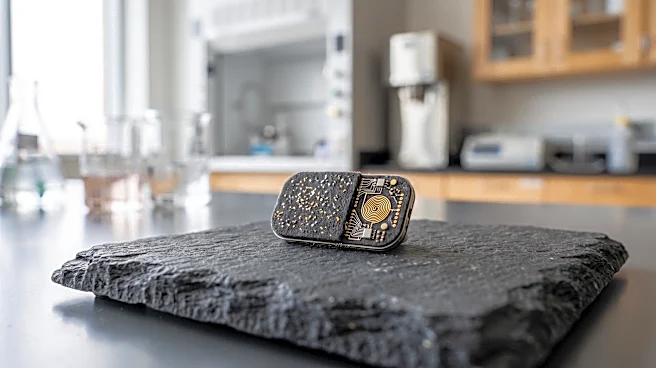
Medicare Part B now provides coverage for Continuous Glucose Monitors (CGMs) for eligible seniors managing diabetes. These small wearable devices continuously track glucose levels in the fluid under the skin, transmitting readings to a receiver or smartphone
app. This technology aims to replace frequent finger-stick tests and offers real-time insights into blood sugar fluctuations, alerting users or caregivers to dangerous highs or lows. To qualify for coverage, seniors typically need a diagnosis of Type 1 or Type 2 diabetes managed with insulin, or a documented history of problematic low blood sugar. Additionally, regular blood sugar testing (often four or more times daily) must be part of their current diabetes management. A prescribing physician's order confirming medical necessity and the patient's or caregiver's ability to use the device properly is also required. While insulin use is a common criterion, some non-insulin cases may qualify if hypoglycemia risk is documented.
Why It's Important?
The expansion of Medicare Part B coverage for CGMs is significant for seniors with diabetes, particularly those on fixed incomes, as these devices can be costly without insurance. This coverage makes consistent glucose monitoring more accessible, which is crucial for effective diabetes management. CGMs provide continuous data, allowing for better control of blood sugar levels and potentially reducing the incidence of hypoglycemia (low blood sugar) and improving A1c levels. For caregivers, CGMs offer peace of mind by providing real-time data and alerts, which is especially beneficial when memory or mobility challenges make daily tracking difficult for seniors. This support can lead to better health outcomes, fewer emergency complications, and an improved quality of life for older adults living with diabetes.
What's Next?
Seniors and their families seeking CGM coverage through Medicare Part B should schedule an appointment with their doctor to discuss CGM use and obtain the necessary documentation. This includes proof of diabetes diagnosis, insulin use (if applicable), and testing frequency. It is essential to confirm that the prescribing provider is enrolled with Medicare and to submit the order through a Medicare-approved supplier. Following up to confirm approval before the device is shipped is also a critical step. As American Diabetes Month in November emphasizes diabetes awareness, reviewing coverage options for tools like CGMs will likely be a focus, encouraging more seniors to explore and utilize these beneficial devices for better diabetes management.
Beyond the Headlines
The increased accessibility of CGMs through Medicare coverage highlights a broader shift in healthcare towards proactive and continuous monitoring technologies. This move not only empowers patients with more immediate data about their health but also reduces the burden on healthcare systems by potentially preventing severe complications and emergency room visits. Ethically, it addresses health equity by making advanced diabetes management tools available to a demographic that might otherwise be excluded due to cost. Legally, it reinforces the role of Medicare in adapting to technological advancements to improve beneficiary care. Culturally, it may foster greater independence and self-management among seniors with chronic conditions, promoting a more informed and engaged patient population in their own health journeys.