






What's Happening?
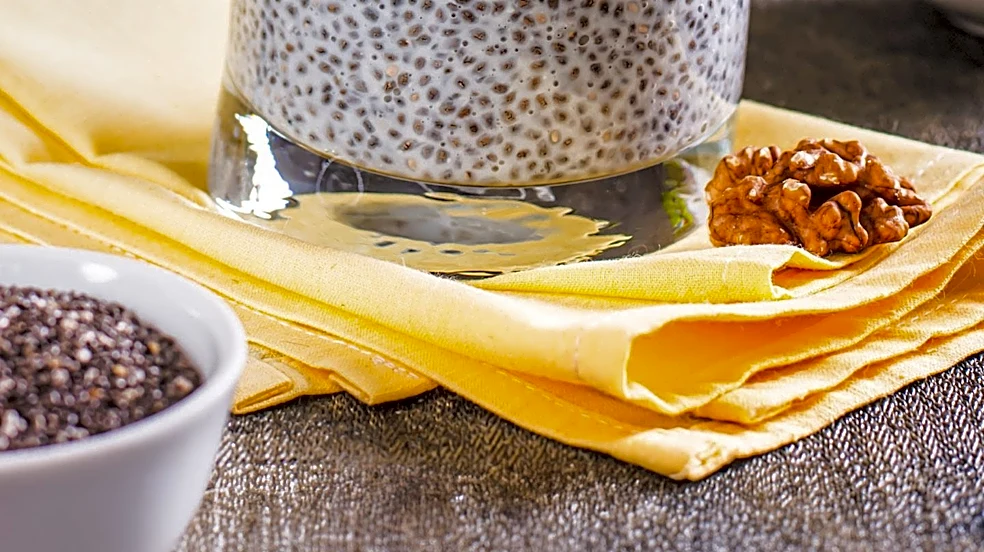
Chia seeds are considered low FODMAP when consumed in specific, measured amounts, making them suitable for individuals following a low FODMAP diet to manage Irritable Bowel Syndrome (IBS). According to Monash University, which developed the low FODMAP diet,
a serving of two tablespoons (approximately 24 grams) of chia seeds is low in FODMAPs and generally well-tolerated by most people with IBS. However, exceeding this amount, such as consuming around four tablespoons, can render them high FODMAP. This highlights a common characteristic of low FODMAP foods, where the portion size dictates their FODMAP level. Nutritionists emphasize the importance of precise measurement, especially when incorporating chia seeds into recipes like chia pudding, which often call for larger quantities that could inadvertently become high FODMAP. The Canadian Digestive Health Foundation and Verywell Health also support the two-tablespoon limit for low FODMAP chia seed consumption.
Why It's Important?
For individuals managing IBS, understanding the FODMAP content and appropriate serving sizes of foods like chia seeds is crucial for symptom control. Chia seeds are a valuable source of fiber and healthy fats, which can contribute to overall gut health. However, their high soluble fiber content, which forms a gel when soaked, can also cause gas and bloating in some sensitive individuals, even at low FODMAP levels, due to fermentation by gut bacteria. This nuanced understanding allows IBS sufferers to benefit from the nutritional advantages of chia seeds without triggering adverse digestive reactions. The ability to include nutrient-dense foods like chia seeds in a restricted diet helps maintain dietary variety and nutritional adequacy, which is vital for long-term adherence and well-being. Proper portion control empowers individuals to make informed dietary choices that support their digestive health.
What's Next?
Individuals incorporating chia seeds into a low FODMAP diet should always measure their servings carefully, adhering to the two-tablespoon limit. It is also recommended to start with a smaller amount, such as one teaspoon, and gradually increase to two tablespoons while monitoring for any digestive symptoms. When preparing recipes like chia pudding, it is essential to adjust the recipe to ensure that the chia seed content per serving remains within the low FODMAP threshold. Additionally, consuming chia seeds with plenty of fluid is advised, as they absorb a significant amount of water. For the most up-to-date information on FODMAP levels, individuals should consult the Monash FODMAP app, as serving sizes can be updated based on new research. Consulting with a dietitian is highly recommended for personalized guidance, especially during the reintroduction phase of the low FODMAP diet.
Beyond the Headlines
The detailed guidance on chia seeds within the low FODMAP framework underscores a broader principle in dietary management for IBS: the concept of 'dose-dependent' FODMAP content. Many foods are not inherently 'good' or 'bad' but rather become problematic when consumed in larger quantities. This highlights the complexity of dietary interventions and the need for precise, individualized approaches rather than blanket restrictions. The emphasis on measuring and gradual introduction also reflects a patient-centered approach, allowing individuals to understand their unique tolerances. This level of detail in dietary advice empowers individuals to manage their condition effectively and fosters a deeper understanding of how specific food components interact with their digestive system. It also points to the ongoing evolution of nutritional science, where general dietary guidelines are increasingly being replaced by highly specific, evidence-based recommendations tailored to individual health needs.