






What's Happening?
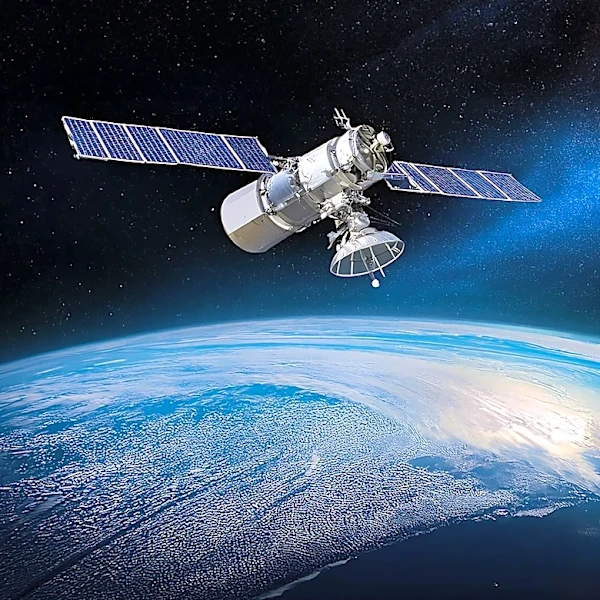
NASA has issued corrections and clarifications for its A.13 Accelerating Earth Solutions (AES) program, which aims to enhance the use of Earth-observing satellite data in decision-making processes. The program seeks proposals in three areas: identifying
critical issues and solutions, developing solutions for deployment, and scaling the impact of existing solutions. Recent updates include the addition of Application Readiness Levels (ARLs) information and modifications to the program's documentation. A pre-proposal teleconference is scheduled for August 31, 2026, to further discuss the program, and a FAQ will be posted subsequently. Questions can be directed to Erin Urquhart at NASA.
Why It's Important?
The A.13 AES program is crucial for advancing the application of satellite data in addressing environmental and societal challenges. By clarifying program details and encouraging proposals, NASA aims to foster innovation and collaboration in developing solutions that leverage satellite data. This initiative can lead to more informed decision-making in areas such as climate change, natural resource management, and disaster response. The program's focus on scaling impact ensures that successful solutions can be widely implemented, maximizing their benefits. The engagement of researchers and stakeholders in this program can drive progress in Earth science and its practical applications.
What's Next?
Following the pre-proposal teleconference, interested parties will have the opportunity to submit proposals that align with the clarified program guidelines. NASA's continued support and funding for the AES program will likely attract a diverse range of proposals, potentially leading to groundbreaking solutions. The program's emphasis on scaling impact suggests that successful projects could receive additional support for broader implementation. As the program progresses, stakeholders in government, academia, and industry may collaborate to enhance the use of satellite data in addressing global challenges.