






What's Happening?
The United Nations Mission in South Sudan (UNMISS) has postponed the closure of its base in Unity State due to a worsening security and humanitarian situation, exacerbated by severe flooding. Unity State has been experiencing extraordinary floods since
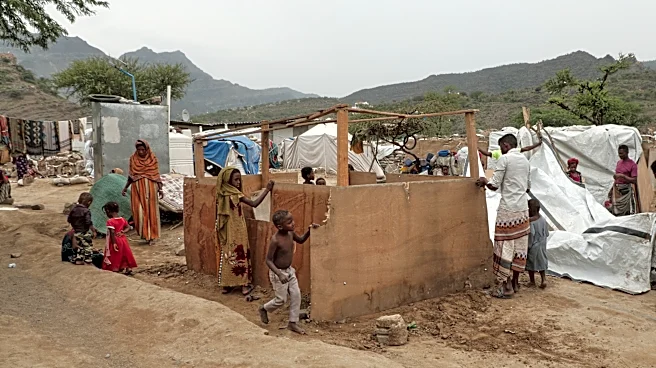
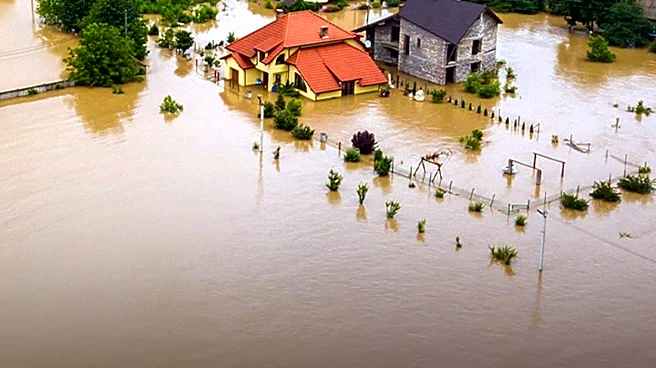
2019, with water levels continuously rising during seasonal rains, leaving Bentiu town surrounded by thousands of kilometers of floodwaters. This situation is predicted to intensify further in the coming months, potentially due to an El Niño year. The floods pose a significant threat to hundreds of thousands of displaced families and the host community, increasing pressure on the extensive network of dykes built and maintained by UNMISS engineering peacekeepers and humanitarian partners. Communities in the Bentiu displacement camp, represented by Nyier Gatchang Pouch, Community High Committee Chairperson, have expressed their vulnerability and inability to manage the flooding without intervention from UNMISS or the government. The Head of UNMISS, Anita Kiki Gbeho, personally witnessed these threats during a visit to the area, leading to the decision to defer the base closure despite financial pressures, to continue protecting civilians and deter conflict.
Why It's Important?
The decision by UNMISS to maintain its presence in Unity State underscores the critical and deteriorating humanitarian and security conditions in South Sudan. The ongoing and predicted intensification of floods threaten to displace more people, worsen food insecurity, and increase the risk of disease outbreaks in an already vulnerable population. The reliance of local communities on UNMISS for protection and flood mitigation highlights the severe lack of governmental capacity and resources to address these crises. The continued UNMISS presence is vital for providing security, maintaining essential infrastructure like dykes, and facilitating humanitarian aid. Without this intervention, the region faces a heightened risk of widespread displacement, increased communal violence, and a further collapse of basic services, potentially leading to a larger-scale humanitarian catastrophe. The situation also reflects the broader challenges faced by international peacekeeping missions in balancing financial constraints with urgent humanitarian needs and protection mandates.
What's Next?
With the rainy season predicted to intensify, the immediate focus will be on strengthening and repairing the existing dykes, improving drainage systems, and preparing evacuation routes to protect lives and livelihoods before floodwaters peak. Communities are urging the government to take a leading role in these efforts, alongside continued support from UNMISS and humanitarian partners. UNMISS peacekeepers are expected to continue robust patrolling, engaging with community leaders, and supporting reconciliation and peace processes to deter conflict. The mission will also likely continue to assess the evolving security and humanitarian landscape to determine the long-term necessity of its presence in the region. International aid organizations will need to prepare for increased humanitarian assistance, including food, water, sanitation, and shelter, as the floods are expected to exacerbate existing challenges like food insecurity and health risks.
Beyond the Headlines
The persistent flooding in Unity State, South Sudan, points to a deeper crisis of climate vulnerability and governance in the region. The annual rise in floodwaters since 2019, coupled with the prediction of a 'super El Niño' year, suggests a long-term environmental challenge that will require sustainable solutions beyond emergency responses. The reliance on international bodies like UNMISS for basic protection and infrastructure maintenance highlights the fragility of state institutions and the ongoing impact of past conflicts on national development. This situation could trigger further internal displacement and migration, placing additional strain on neighboring regions and countries. The ethical implications of withdrawing international support in such dire circumstances are significant, emphasizing the moral imperative for continued humanitarian engagement. Addressing the root causes of vulnerability, including climate adaptation, peacebuilding, and strengthening local governance, will be crucial for the long-term stability and recovery of Unity State and South Sudan as a whole.