








What's Happening?
Kyoto, Japan, is recognized for its profound historical and cultural heritage, having served as the imperial capital for over a millennium. The city is home to more than sixteen hundred temples and several hundred shrines, including the renowned Kinkakuji
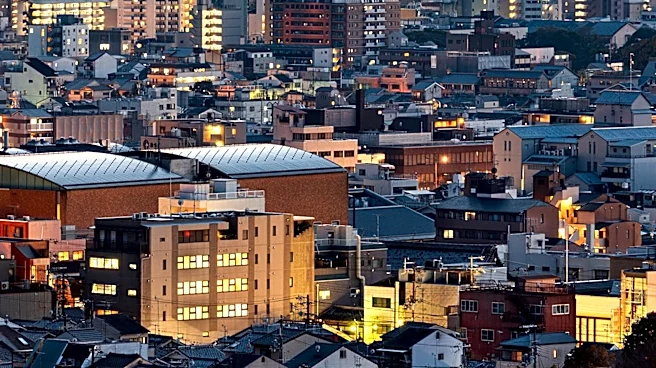
Temple, also known as the Golden Pavilion. Key landmarks visible during a city tour include the Heian Shrine, built in 1895, the Kamo River, and Nijyo Castle with its fortifications. Other notable sites are Kyoto Station, Kyoto Tower, and Toji (East Temple). Visitors can also explore the Kyoto Handicraft Centre, which offers traditional crafts, artwork, clothing, and souvenirs. The city provides a blend of Western and Japanese dining experiences in local restaurants. Kyoto's urban design, architecture, and cultural practices contribute to its distinct atmosphere, often described as more relaxed and greener compared to Tokyo. The city is also noted for its welcoming environment for international visitors, including the LGBTQ+ community, with widespread availability of English menus and signage. Additionally, Kyoto hosts the global headquarters of tech companies like Nintendo.
Why It's Important?
Kyoto's enduring status as a cultural and historical hub in Japan holds significant importance for global tourism and cultural exchange. Its vast collection of temples and shrines, such as the Kinkakuji Temple and Heian Shrine, attracts millions of international visitors annually, contributing substantially to Japan's tourism economy. The preservation of its historic urban design and traditional practices offers a unique window into Japanese heritage, influencing architectural and cultural studies worldwide. The city's welcoming stance towards international visitors, including the LGBTQ+ community, enhances its appeal as a diverse and inclusive travel destination, fostering cross-cultural understanding. Furthermore, the presence of major tech companies like Nintendo's global headquarters in Kyoto highlights the city's role in both preserving tradition and embracing modern innovation, creating a dynamic economic landscape that balances heritage with contemporary industry. This blend makes Kyoto a model for sustainable cultural tourism and economic development.
What's Next?
Kyoto is expected to continue its efforts in preserving its historical sites and cultural practices while simultaneously adapting to the demands of modern tourism and technology. Future developments may include enhanced infrastructure to accommodate the growing number of international visitors, potentially focusing on sustainable tourism initiatives to protect its ancient heritage. The city's commitment to being LGBTQ+-friendly and providing English-language resources suggests ongoing efforts to improve accessibility and inclusivity for a global audience. With tech giants like Nintendo maintaining a strong presence, Kyoto will likely see further integration of technology into its urban fabric, potentially through smart city initiatives or innovative cultural experiences. The balance between maintaining its thousand-year-old traditions and embracing contemporary advancements will be a key focus for Kyoto's future, ensuring its continued appeal as both a historical treasure and a modern hub.
Beyond the Headlines
Beyond its immediate appeal as a tourist destination, Kyoto's role as a living museum of Japanese culture has deeper implications for global heritage preservation. The city's ability to maintain its historical integrity amidst rapid modernization offers valuable lessons for other urban centers grappling with similar challenges. The emphasis on traditional crafts and arts, as seen in the Kyoto Handicraft Centre, underscores the importance of intangible cultural heritage and its economic viability in the 21st century. Moreover, Kyoto's reputation as an LGBTQ+-friendly city in a region where such inclusivity is still evolving, highlights its progressive social dimensions and potential influence on broader societal attitudes. The coexistence of ancient temples and modern tech headquarters, like Nintendo, symbolizes a unique cultural synthesis, demonstrating that tradition and innovation are not mutually exclusive but can thrive in a symbiotic relationship, shaping a distinctive urban identity that resonates globally.