





What's Happening?
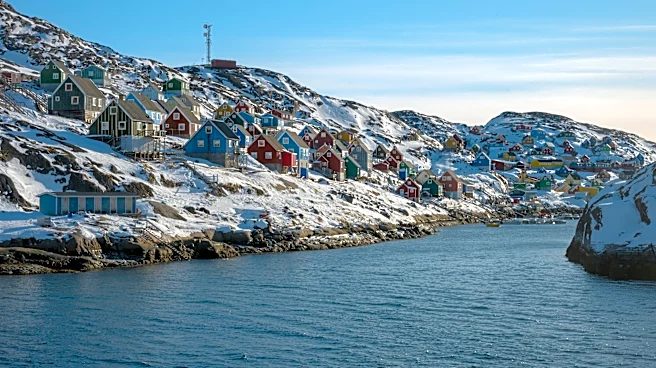
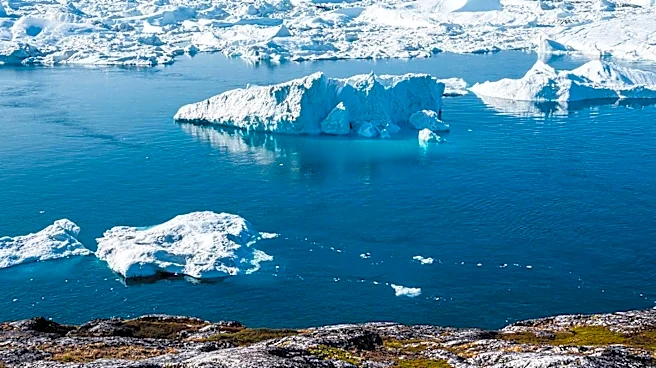
The Arctic region is increasingly recognized as a critical operational theater due to its strategic importance for maritime activities, natural resources, and maintaining space-based capabilities. The receding sea ice, a consequence of climate change,
is opening new pathways and economic opportunities for resource exploitation, including hydrocarbons, critical minerals, and fish stocks. This heightened interest has led to an increase in hybrid threat activities, with Russia and China employing diverse methods such as physical, cyber, and electronic operations, alongside cultural influencing. Dr. P. Whitney Lackenbauer describes the Arctic as a testing ground for modern Russian hybrid warfare, aimed at undermining Western cohesion and challenging its northern flank. While the war in Ukraine has temporarily reduced Russia’s military capability in the Arctic, its nuclear deterrent in the Kola Peninsula and Barents Sea remains. Experts anticipate a resurgence of Russian activity in the region once the conflict subsides, leading to increased potential for hybrid threats, military actions, accidents, and escalation.
Why It's Important?
The growing strategic relevance of the Arctic has significant implications for U.S. national security and international relations. The region's vast natural resources and new shipping routes could reshape global trade and energy markets, impacting U.S. economic interests. The rise of hybrid threats, including cyberattacks and disinformation campaigns, poses direct challenges to U.S. and allied infrastructure and security in the Arctic. The lack of situational awareness and gaps in international maritime law make the region particularly vulnerable to these threats, potentially leading to single points of failure in critical infrastructure. The U.S. and its allies stand to lose if they do not enhance their resilience against these evolving threats, while nations like Russia and China stand to gain strategic advantages and access to resources. The situation underscores the need for a comprehensive U.S. Arctic strategy that addresses both security and economic dimensions.
What's Next?
To counter the escalating hybrid threats in the Arctic, democratic countries are expected to adopt a 'whole-of-society' approach, strengthening collaboration across various agencies, departments, and local communities. This includes integrating the knowledge of Indigenous Peoples and other northern populations, who play a crucial role in building regional resilience. For instance, the Canadian Rangers, a military force primarily composed of Indigenous community members, are highlighted as a model for improving situational awareness. Investment and collaboration are essential to foster resilient communities in the Arctic, ensuring that the needs and priorities of Indigenous Peoples are addressed to prevent the creation of new vulnerabilities. The international community will likely focus on developing clearer legal frameworks for operational action against hybrid threats and improving intelligence sharing to enhance situational awareness in the region.
Beyond the Headlines
The increasing competition in the Arctic highlights a broader shift in global geopolitics, moving away from the concept of 'Arctic exceptionalism' where the region was considered immune to major power rivalries. The ethical dimension of resource exploitation in a rapidly changing environment, coupled with the rights and roles of Indigenous communities, presents complex challenges. The potential for environmental damage from increased shipping and resource extraction, alongside the military implications of a more accessible Arctic, raises concerns about long-term ecological and security stability. The region's unique vulnerabilities, such as its sparse infrastructure, make it a prime target for unconventional warfare tactics, pushing the boundaries of international law and requiring innovative approaches to security and governance. The interplay between climate change, economic opportunity, and geopolitical competition will define the Arctic's future, with profound implications for global stability.