


What's Happening?
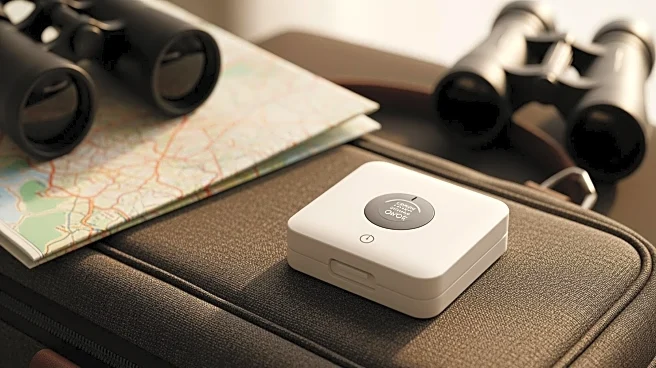
Consumer Reports has emphasized the critical need for travelers to carry portable carbon monoxide (CO) detectors, especially during vacations in hotels and rental properties. This recommendation follows tragic incidents where individuals have died due
to CO leaks in accommodations lacking proper detection systems. CO is a colorless, odorless gas that can be lethal within hours of exposure. The report highlights that not all hotels and vacation rentals are legally required to install CO detectors, leaving many travelers at risk. Consumer Reports tested various portable CO detectors, such as the Lunarlipes Portable Carbon Monoxide Detector PTH-10D and the Kidde Portable Carbon Monoxide Detector KI21006677, which are effective in detecting both low and high levels of CO. These devices can be plugged into an electrical outlet or run on batteries, providing a crucial safety measure for travelers.
Why It's Important?
The significance of this report lies in its potential to prevent fatalities and injuries from carbon monoxide poisoning, a risk that many travelers may not consider. The lack of mandatory CO detectors in many accommodations means that travelers are often unaware of the danger. By carrying a portable CO detector, individuals can protect themselves and their families from this invisible threat. The report also raises awareness about the varying legal requirements for CO detectors in different locations, highlighting a gap in safety regulations that could be addressed by policymakers. This issue is particularly relevant for the hospitality industry, which may face increased pressure to enhance safety measures in response to consumer demand and potential regulatory changes.
What's Next?
As awareness of the risks associated with carbon monoxide poisoning grows, there may be increased advocacy for stricter regulations requiring CO detectors in all accommodations. Travelers might begin to prioritize safety features, such as CO detectors, when choosing hotels or vacation rentals. The hospitality industry could respond by voluntarily installing CO detectors to attract safety-conscious customers. Additionally, consumer education campaigns could further inform the public about the importance of portable CO detectors, potentially leading to increased sales of these devices. Policymakers might also consider revisiting and standardizing CO detector requirements across different jurisdictions to enhance traveler safety.