






What's Happening?
Bipartisan lawmakers from Michigan have introduced the 'Connected Vehicle Security Act' to ban Chinese-made connected vehicles, software, and hardware from the U.S. market. This legislative move comes ahead of President Trump's meeting with Chinese President Xi
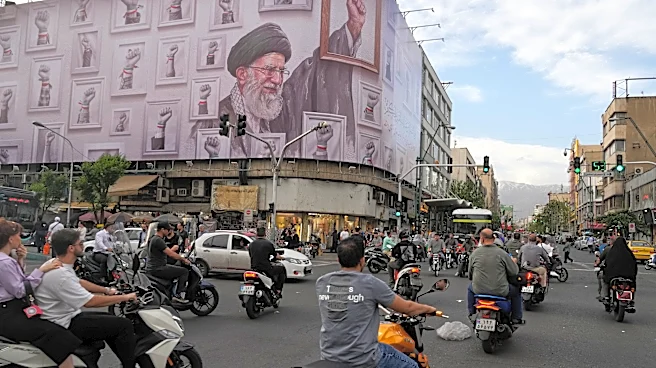
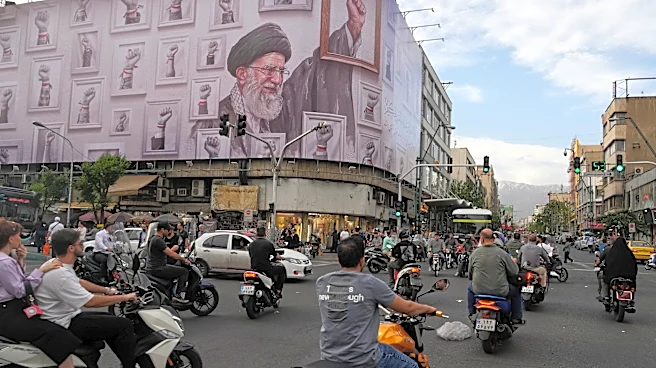
Jinping. The bill, introduced by Rep. John Moolenaar and Rep. Debbie Dingell, mirrors a similar Senate proposal aimed at codifying Biden-era restrictions on connected vehicles due to national security and data collection concerns. Connected vehicles, which have internet access and wireless connectivity, are seen as potential security risks if linked to Chinese companies. The proposed legislation would implement software prohibitions by January 1, 2027, and hardware restrictions by January 1, 2030, also targeting Russia, North Korea, and Iran.
Why It's Important?
The introduction of this legislation highlights ongoing concerns about national security and economic competition with China. Lawmakers argue that Chinese subsidies and practices create an uneven playing field, potentially threatening the U.S. auto industry. The bill aims to protect American jobs and the industrial base from being undercut by heavily subsidized Chinese automakers. This move also reflects broader geopolitical tensions and the strategic importance of maintaining control over critical technology sectors. The legislation seeks to ensure that U.S. data and infrastructure are not compromised by foreign entities, particularly those from countries with adversarial relationships with the U.S.
What's Next?
As President Trump prepares to meet with President Xi, the legislative proposal serves as a message to maintain existing restrictions on Chinese automakers. The outcome of the meeting could influence future trade policies and the U.S. stance on Chinese investments in the auto sector. Lawmakers and industry stakeholders will likely continue to advocate for protective measures to safeguard the U.S. auto industry. The bill's progress through Congress will be closely watched, as it could set a precedent for future technology and trade regulations involving foreign entities.