







What's Happening?
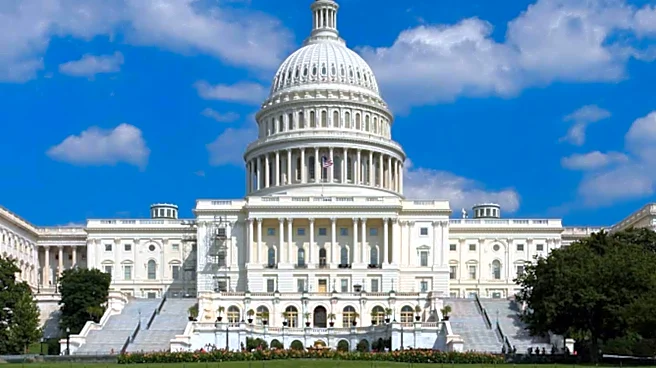
The U.S. House of Representatives has passed the Kids Internet and Digital Safety Act (KIDS), a bipartisan bill aimed at enhancing online safety for children. The legislation, which passed with a 267-117 vote, seeks to provide parents with stronger tools
to monitor and manage their children's online activities. It includes measures to establish safeguards for AI chatbots, ban advertising targeted at minors, limit the collection of children's data, and implement age verification for sexually explicit content. However, the bill does not include the 'duty of care' provision from the previously Senate-passed Kids Online Safety Act (KOSA), which aimed to regulate online design features to protect children. This omission has drawn criticism from some lawmakers and civil liberties advocates who argue that the provision is essential for comprehensive child protection online.
Why It's Important?
The passage of the KIDS Act represents a significant step in the ongoing effort to regulate technology companies' interactions with children. By enhancing parental controls and restricting data collection, the bill aims to create a safer online environment for minors. However, the absence of the 'duty of care' provision raises concerns about the bill's effectiveness in addressing all potential online threats to children. The debate highlights the tension between ensuring child safety and protecting free speech, as some fear that stringent regulations could lead to censorship. The outcome of this legislative process could set a precedent for future internet safety laws and influence how tech companies operate in the U.S.
What's Next?
The bill now moves to the Senate, where it faces challenges due to the absence of the 'duty of care' provision. Senate leaders, including Sen. Ted Cruz, have expressed support for a stricter version of the bill, indicating potential amendments. The Senate's decision will be crucial in determining the final form of the legislation. If the Senate passes a different version, the two chambers will need to reconcile their differences, which could delay the bill's implementation. The ongoing discussions will likely involve input from various stakeholders, including tech companies, privacy advocates, and child safety organizations.