







What's Happening?
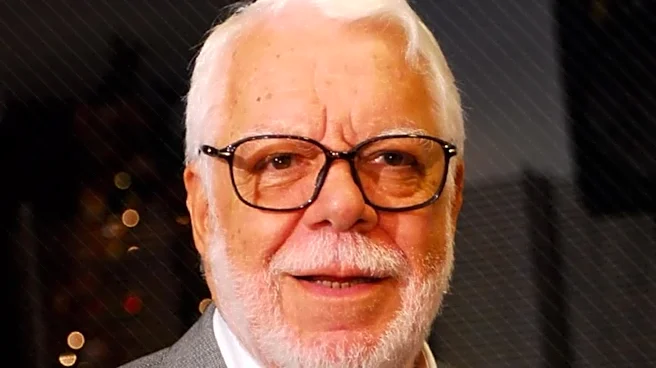
Greg Ballard, a former Republican mayor of Indianapolis, has submitted over 74,000 signatures in his bid to join the Indiana secretary of state ballot as an independent candidate. Ballard, running under the 'Lincoln Party' label, aims to capture the dissatisfaction
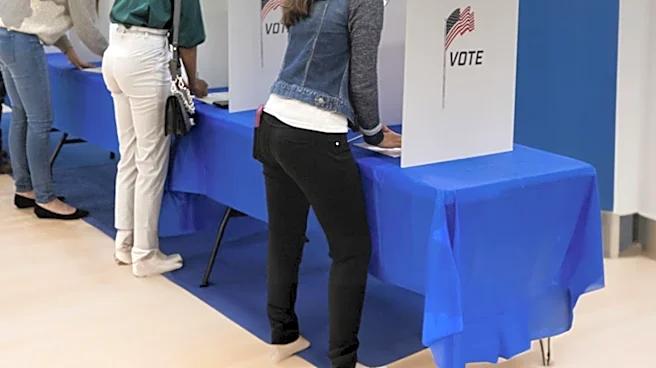
of voters with the current state Republican and Democratic parties. To qualify for the ballot, Ballard needs nearly 37,000 verified signatures from registered voters. The surplus signatures are intended to account for any that may be invalid due to registration issues or duplication. Ballard's campaign has invested $150,000 in a firm to assist with the signature collection process. Despite a minor controversy involving a volunteer accused of forging a small number of signatures, Ballard's campaign has distanced itself from the incident, noting that the suspect signatures represent a negligible portion of the total collected.
Why It's Important?
Ballard's entry into the Indiana secretary of state race as an independent candidate could significantly impact the political landscape in the state. By positioning himself as an alternative to the traditional Republican and Democratic candidates, Ballard may attract voters who are disillusioned with the current political system. This move could potentially split the vote, affecting the chances of the major party candidates. Additionally, Ballard's campaign highlights a growing trend of independent and third-party candidates seeking to challenge the established political order, which could lead to broader changes in voter behavior and party dynamics in Indiana and beyond.
What's Next?
The next step for Ballard is the verification of the submitted signatures by county election officials. He must also file a petition of nomination with the state Election Division by July 15. If successful, Ballard will officially join the November election, competing against Democrat Beau Bayh, Republican Max Engling, and Libertarian Lauri Shillings. The outcome of this race could provide insights into the viability of independent candidates in state-level elections and potentially influence future political strategies in Indiana.