





What's Happening?
The Department of Justice is pursuing cases to strip a dozen naturalized Americans of their citizenship, raising concerns about the permanence of citizenship status. This move follows a trend initiated during President Trump's administration, which targeted
individuals from specific countries for denaturalization. The Justice Department's actions have sparked debate about the criteria for revoking citizenship and the potential racial biases involved. The issue has historical roots, with citizenship laws evolving over time, often reflecting racial and political biases. The current administration has continued the practice, albeit under a different name, prompting calls for public and legal advocacy to protect naturalized citizens.
Why It's Important?
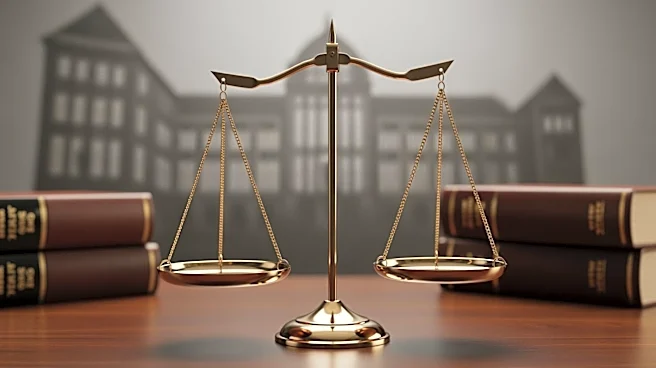
The potential revocation of citizenship for naturalized Americans has significant legal and social implications. It challenges the notion of citizenship as a permanent status and raises questions about the criteria used for denaturalization. The focus on individuals from specific countries suggests potential racial bias, which could undermine trust in the legal system and government policies. This issue also highlights the broader debate about immigration and citizenship in the US, impacting millions of naturalized citizens and their families. The outcome of these cases could set legal precedents and influence future immigration policies.
What's Next?
As the Justice Department continues to pursue denaturalization cases, public and legal advocacy groups are likely to increase efforts to protect naturalized citizens. Legal challenges and public protests may arise, focusing on the potential racial biases and legal criteria used in these cases. The administration's handling of this issue could influence public opinion and political support, particularly among immigrant communities. The debate over citizenship revocation may also prompt legislative action to clarify and potentially reform citizenship laws.