


What's Happening?
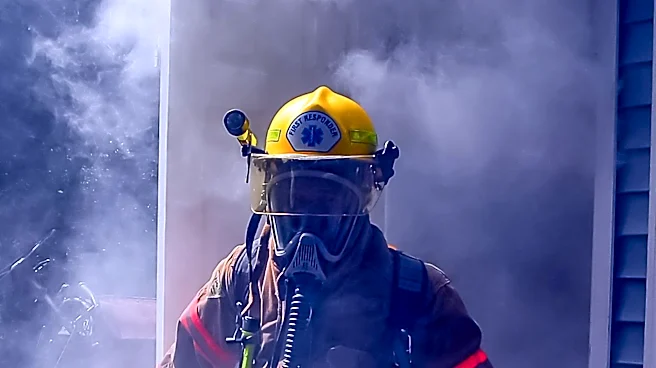
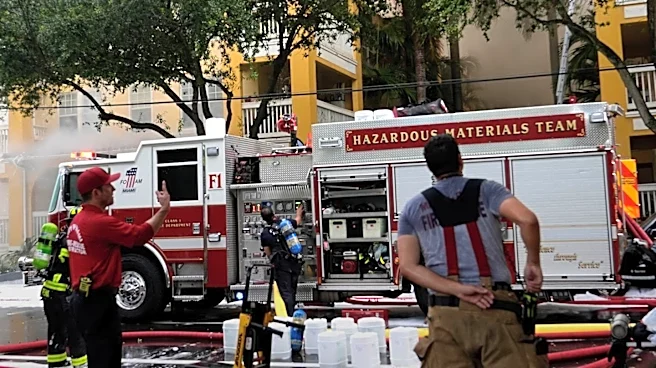
Firefighters from Clarksburg, West Virginia, recently participated in specialized training for natural gas emergencies at Hope Gas’s Safety Town, an outdoor training area located at the Edward M. Smith Training Center. This initiative marks the first
time Hope Gas has opened its facility, originally built for its employees, to first responders. The training involved practical exercises with hoses and fire extinguishers, focusing on the unique challenges presented by natural gas incidents. Clarksburg firefighter Jeffrey Wright highlighted the importance of this training, noting that his department rarely gets opportunities for such specific instruction. The facility features model homes equipped with gas, electric, and water hookups, allowing instructors to simulate various emergency scenarios, including those involving live gas, to better prepare crews for real-world situations in neighborhoods.
Why It's Important?
This specialized training is crucial for enhancing public safety in communities where natural gas is a prevalent energy source. Natural gas emergencies pose distinct risks, including explosions and fires, which require specific response protocols different from other types of fires. By providing firefighters with hands-on experience in a controlled environment, the training improves their ability to effectively mitigate these dangers, protecting both residents and emergency personnel. The collaboration between Hope Gas and local fire departments signifies a proactive approach to emergency preparedness, fostering a better understanding of natural gas infrastructure and potential hazards. This initiative can lead to quicker, more efficient, and safer responses to incidents, ultimately reducing potential damage and saving lives in affected areas.
What's Next?
Hope Gas has expressed intentions to expand these training opportunities statewide, indicating a broader commitment to enhancing emergency preparedness across West Virginia. This expansion could lead to more fire departments and first responders receiving critical training in natural gas emergency response. Clarksburg firefighter Jeffrey Wright emphasized the goal of taking the lessons learned back to the community, suggesting that the knowledge gained will be disseminated within the department and applied in future incidents. This ongoing education and practical experience will likely result in improved safety protocols and a more skilled emergency response workforce throughout the state, benefiting all communities served by natural gas infrastructure.
Beyond the Headlines
The partnership between a utility company like Hope Gas and local emergency services highlights a growing trend of private sector involvement in public safety training. This collaboration can bridge gaps in specialized knowledge and resources that municipal departments might lack. Beyond immediate emergency response, such training can also foster greater public awareness regarding natural gas safety. As firefighters become more proficient, they can also serve as community educators, helping residents understand the dangers of gas leaks and appropriate actions to take. This proactive engagement can lead to a more resilient community better equipped to handle potential hazards associated with energy infrastructure, promoting a culture of safety and preparedness.