
What's Happening?
A tragic train collision in southern Spain has resulted in at least 41 fatalities and over 120 injuries. The incident occurred when a Madrid-bound train derailed and collided with an oncoming train near
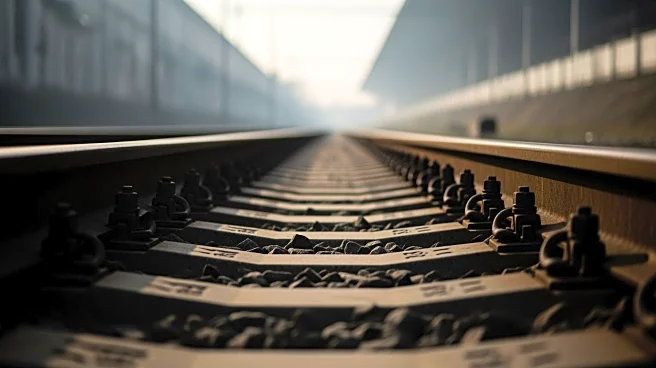
Adamuz. Investigators are focusing on a 30cm gap in the rail as a potential cause of the derailment. Spanish Prime Minister Pedro Sánchez has declared three days of national mourning and canceled his trip to the World Economic Forum to address the disaster. The investigation, led by Spain's Commission of Investigation of Rail Accidents, is examining the interaction between the track and the vehicle, with initial reports suggesting a deteriorated weld may have contributed to the accident. Renfe President Álvaro Fernández Heredia has ruled out human error, stating that the train systems are designed to correct driver mistakes.
Why It's Important?
This incident marks Spain's worst rail disaster in over a decade, highlighting potential vulnerabilities in the country's rail infrastructure. The focus on a possible rail defect raises concerns about maintenance and safety standards on high-speed lines, which could have broader implications for rail travel safety in Spain and potentially influence rail safety protocols in other countries. The tragedy has prompted a national response, with the Spanish government and royal family actively involved in the aftermath, underscoring the event's significance. The outcome of the investigation could lead to changes in rail safety regulations and increased scrutiny of rail infrastructure maintenance practices.
What's Next?
The investigation into the cause of the derailment is expected to take at least a month, with officials working to determine whether the rail gap was a cause or a result of the crash. As the investigation progresses, there may be calls for increased investment in rail infrastructure and safety measures. The Spanish government and rail authorities will likely face pressure to implement changes to prevent future incidents. Additionally, the findings could influence rail safety standards across Europe, particularly concerning high-speed rail lines.
Beyond the Headlines
The disaster has sparked discussions about the balance between expanding high-speed rail networks and ensuring their safety. The incident may lead to a reevaluation of the risks associated with high-speed rail travel and the need for rigorous safety checks. It also highlights the importance of addressing infrastructure issues proactively to prevent such tragedies. The emotional and psychological impact on survivors and the families of victims is profound, with the national mourning period reflecting the collective grief and solidarity of the Spanish people.