

What's Happening?
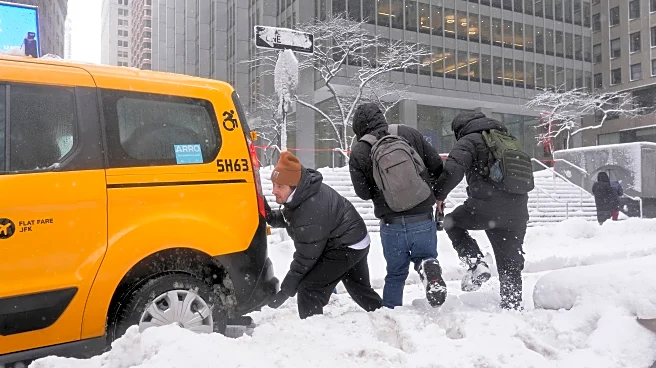
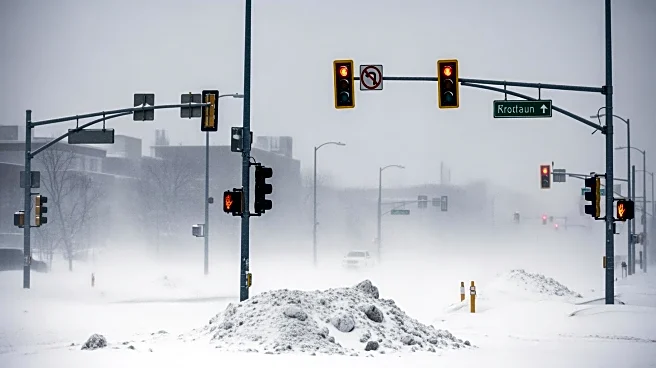
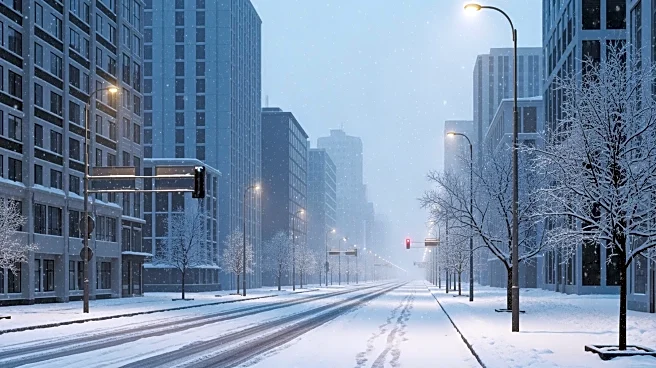
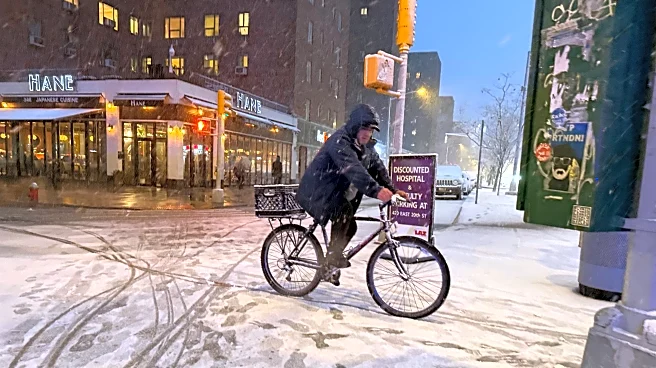
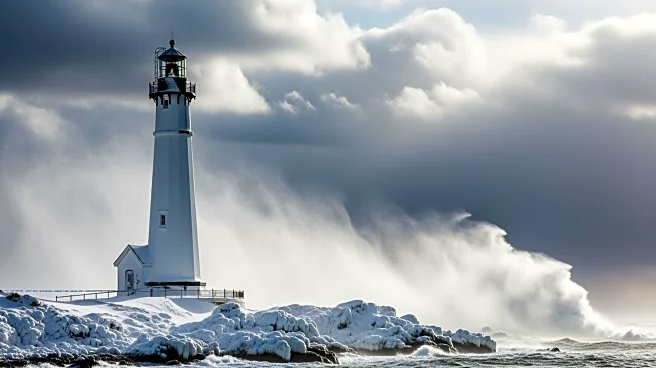
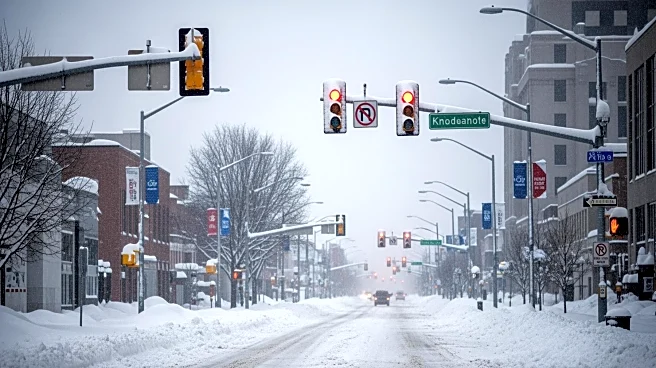
A massive winter storm has struck the northeastern United States, causing natural gas prices to rise nearly 3% as the region braces for severe weather conditions. The storm, affecting approximately 35 million people, has led to widespread power outages
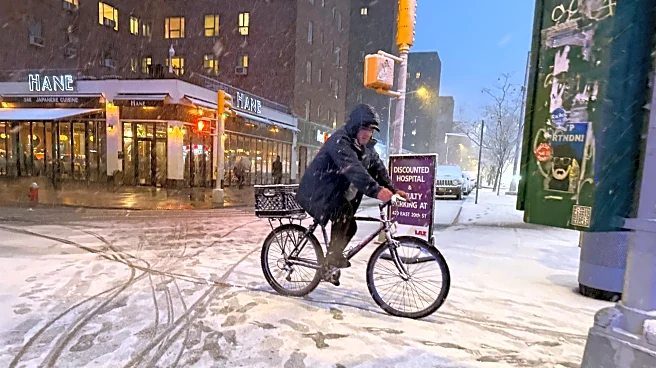
and significant disruptions. New York City Mayor Zohran Mamdani declared a local state of emergency, implementing a citywide travel ban for non-emergency vehicles from Sunday night through midday Monday. The National Weather Service issued a blizzard warning, predicting up to 2 feet of snow, 70 mph winds, and coastal flooding. The storm has also resulted in the cancellation of thousands of flights across the region.
Why It's Important?
The surge in natural gas prices and the extensive impact of the storm highlight the vulnerability of the U.S. energy infrastructure to extreme weather events. The increased demand for heating fuels during such storms can lead to price spikes, affecting both consumers and businesses. The travel bans and flight cancellations underscore the broader economic disruptions caused by severe weather, impacting transportation, commerce, and daily life. This event also raises concerns about the resilience of power grids and the need for infrastructure improvements to better withstand future storms.
What's Next?
As the storm progresses, emergency services and utility companies will focus on restoring power and clearing roads. The travel bans and school closures may extend if conditions worsen. In the longer term, policymakers and energy providers may need to reassess strategies for managing energy supply and infrastructure resilience in the face of increasingly frequent and severe weather events. The economic impact of the storm will likely prompt discussions on improving emergency preparedness and response strategies.