

What's Happening?
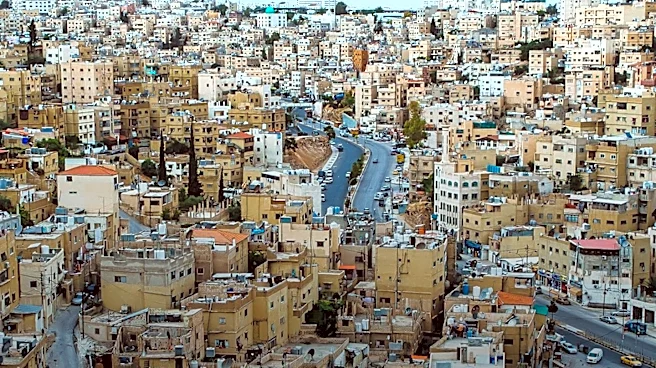
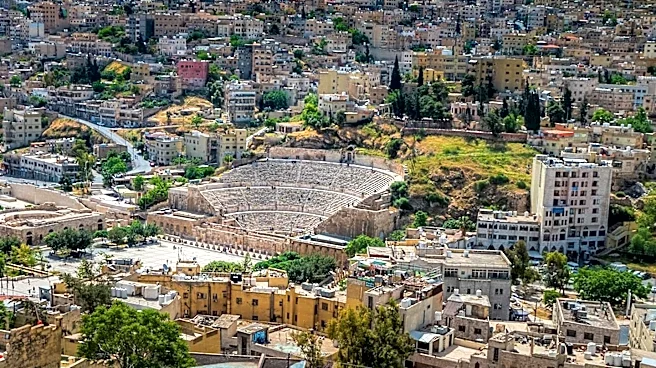
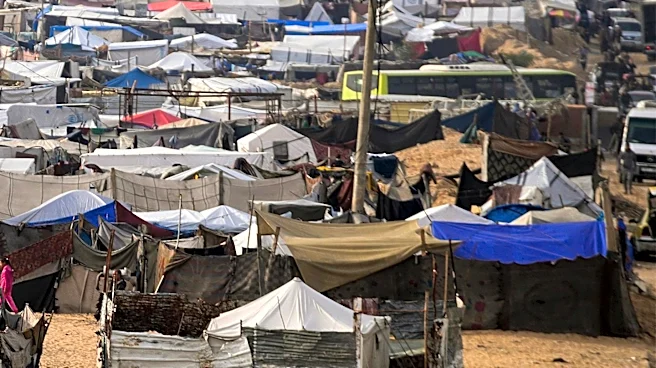
In the aftermath of conflicts in regions like Syria, Iraq, Lebanon, and Palestine, the focus is shifting from emergency response to long-term recovery. A critical aspect of this recovery is the preservation of architectural knowledge, which is often lost
when skilled craftspeople are displaced or killed. This knowledge is essential for the reconstruction of historic buildings, which cannot be fully restored through documentation alone. Initiatives like the Deir ez-Zor Heritage Library in Syria are documenting endangered buildings and traditional construction techniques to preserve this knowledge. These efforts highlight the importance of safeguarding not just physical structures but also the skills and traditions that enable their repair and maintenance.
Why It's Important?
The preservation of architectural knowledge is crucial for the sustainable reconstruction of cities affected by conflict. Without this knowledge, restored buildings remain vulnerable, as they depend on external expertise for maintenance. By training local craftspeople and preserving traditional construction techniques, communities can regain the ability to care for their heritage independently. This approach not only ensures the survival of historic buildings but also supports local economies by creating jobs and fostering skills development. The success of reconstruction efforts should be measured not just by the number of buildings restored but by the community's capacity to maintain them.
What's Next?
As reconstruction efforts continue, there is a need for increased support for initiatives that document and preserve architectural knowledge. International organizations and local governments must prioritize training programs and apprenticeships to ensure that traditional construction skills are passed on to future generations. This approach will help communities build resilience and self-sufficiency, reducing their reliance on external aid. Additionally, similar principles can be applied beyond conflict zones, as seen in Romania's Ambulance for Monuments project, which focuses on emergency stabilization and skill development.
Beyond the Headlines
The preservation of architectural knowledge has broader implications for cultural identity and heritage. Historic buildings are not just physical structures; they are symbols of a community's history and identity. By preserving the skills and traditions needed to maintain these buildings, communities can retain their cultural heritage and pass it on to future generations. This approach also challenges the notion that heritage conservation is a luxury, emphasizing its role in community resilience and sustainable development.