





What's Happening?
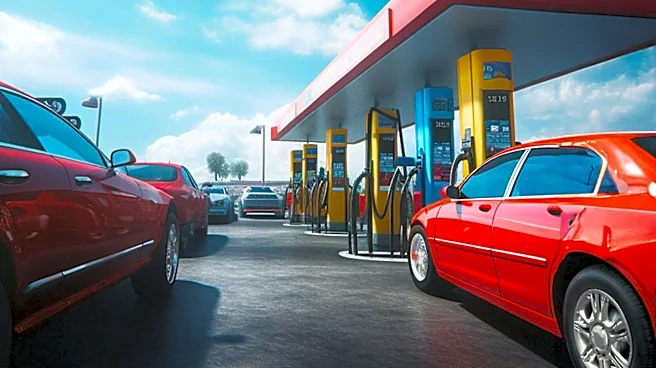
In West Central Minnesota, the price of unleaded gasoline has reached approximately $4 per gallon, with diesel prices averaging $5.14 per gallon. These rising fuel costs are affecting household budgets, as transportation costs influence the price of goods
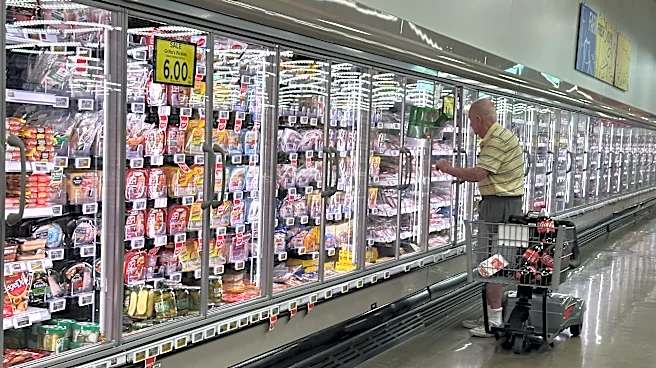
across the board. The increased fuel prices are leading to higher costs for everyday items, such as food and toiletries, as these goods require transportation to retail locations. Despite the rising costs, there has not been a noticeable decrease in traffic, suggesting that families are making financial adjustments elsewhere to accommodate the higher expenses.
Why It's Important?
The rising fuel prices have significant implications for the local economy and household financial stability. As transportation costs rise, so do the prices of goods, leading to increased financial strain on families. This situation highlights the interconnectedness of fuel prices and the broader economy, as well as the challenges faced by transportation companies that struggle to absorb these costs. The economic pressure may lead to changes in consumer behavior, such as reduced discretionary spending and altered travel plans, which can further impact local businesses and economic growth.
What's Next?
If fuel prices continue to rise, there may be increased calls for policy interventions to stabilize costs and support affected households. Local governments and businesses might explore alternative solutions, such as promoting electric vehicles or enhancing public transportation options, to mitigate the impact of high fuel prices. Additionally, ongoing economic pressures could lead to broader discussions about energy policy and sustainability.