


What's Happening?
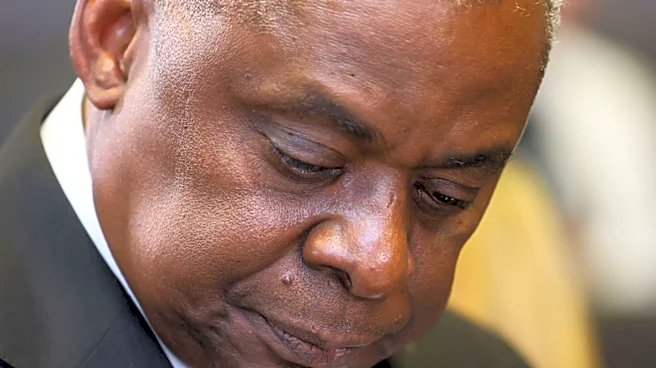
Army Secretary Dan Driscoll is reportedly expected to leave his position by the end of the year. This anticipated departure comes amidst growing tensions with Defense Secretary Pete Hegseth. The Army is currently operating without a Senate-confirmed permanent
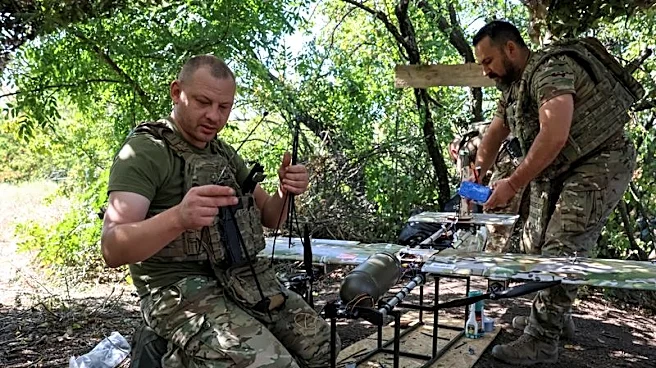
chief of staff, as Hegseth removed General Randy George from that role in April without public explanation. General Christopher LaNeve, the Army's vice chief of staff, is currently serving as acting chief of staff. During his tenure, Driscoll, alongside General George, championed the integration of new technologies and lessons learned from the conflict in Ukraine. Private companies committed over $25 billion to projects linked to Army bases under Driscoll's leadership. President Trump has publicly commended Driscoll's work.
Why It's Important?
The potential departure of Army Secretary Dan Driscoll signifies a significant leadership void within the United States Army, which is already without a permanent chief of staff. This instability at the top could impact the Army's strategic direction, particularly concerning the adoption of new military technologies and the implementation of lessons from contemporary conflicts like the war in Ukraine. The reported tensions between Driscoll and Defense Secretary Hegseth highlight potential disagreements at the highest levels of military leadership, which could affect policy decisions and resource allocation. The continuity of initiatives, such as the integration of commercial military technology and the management of over $25 billion in private sector investments in Army-related projects, may be jeopardized. A prolonged period of leadership uncertainty could also affect troop morale and the Army's overall readiness.
What's Next?
The immediate next step will likely involve the official announcement of Army Secretary Dan Driscoll's departure, if it occurs as reported. Following this, President Trump will need to nominate a successor for the Army Secretary position, who will then require Senate confirmation. Concurrently, the process to nominate and confirm a permanent Chief of Staff for the Army will need to advance, as General Christopher LaNeve is currently serving in an acting capacity. Stakeholders, including members of Congress and defense industry leaders, will be closely watching these appointments to understand the future direction of Army policy and priorities. The new leadership will face the challenge of maintaining momentum on technology integration and private sector partnerships while potentially navigating existing tensions within the Department of Defense.
Beyond the Headlines
The reported tensions leading to Army Secretary Dan Driscoll's potential departure underscore deeper issues within the Department of Defense regarding civilian-military relations and the influence of political dynamics on military leadership. The removal of General Randy George as Chief of Staff without public explanation, followed by Driscoll's anticipated exit, suggests a potential power struggle or significant policy disagreements. This situation could lead to a chilling effect on military leaders who might feel pressured to align with political agendas, potentially compromising independent military advice. Furthermore, the emphasis on integrating commercial technology and lessons from Ukraine highlights a broader shift in military strategy towards modern warfare and innovation, which could be either accelerated or hindered by leadership changes. The long-term implications could include a re-evaluation of how military leadership is appointed and managed, and the extent to which political considerations influence defense policy.