





What's Happening?
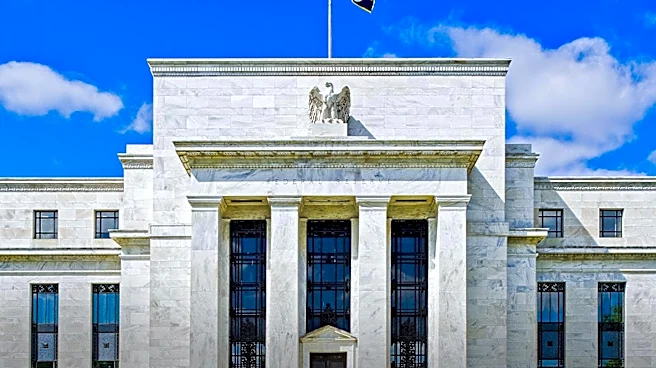
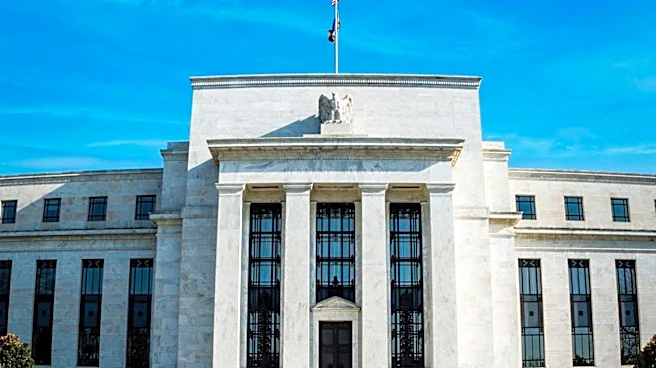
The Federal Reserve System, serving as the central banking authority of the United States, plays a crucial role in influencing the economy through its monetary policy, regulatory oversight, and measures aimed at ensuring financial stability. The Federal Reserve Board
is tasked with maintaining a safe, flexible, and stable monetary and financial system for the nation. This involves a commitment from the Federal Reserve Banks to uphold equal employment opportunities and to foster the safety, soundness, and vitality of economic and financial systems. The official website of the Federal Reserve Board provides comprehensive tools, information, and reports related to monetary policy, supervision, and financial stability. Additionally, the Federal Reserve Bank of New York is responsible for overseeing the Second Federal Reserve District, collaborating with other institutions to achieve the broader objectives of the Federal Reserve System. These functions collectively underscore the Federal Reserve's multifaceted approach to managing the U.S. economy and financial landscape.
Why It's Important?
The Federal Reserve System's actions are critically important for the U.S. economy, as its monetary policy decisions directly impact interest rates, inflation, and economic growth. By setting the federal funds rate, the Fed influences borrowing costs for businesses and consumers, affecting investment, spending, and employment levels. Its regulatory role is vital for maintaining the stability and integrity of the financial system, preventing crises, and protecting consumers. The commitment to financial stability ensures that banks and other financial institutions operate soundly, which is essential for the smooth functioning of markets and the broader economy. Furthermore, the Federal Reserve's emphasis on equal employment opportunity within its own operations sets a standard for diversity and inclusion, potentially influencing practices across the financial sector. The transparency provided through its official website and reports allows stakeholders, from investors to policymakers, to understand the rationale behind its decisions and anticipate future economic trends, thereby impacting strategic planning across various U.S. industries.
What's Next?
The Federal Reserve System will continue to monitor economic indicators and adjust its monetary policy as necessary to achieve its dual mandate of maximum employment and price stability. This involves ongoing evaluation of inflation, employment data, and global economic conditions. The Federal Reserve Banks will persist in their efforts to ensure the safety and soundness of financial institutions through continuous supervision and regulation. Furthermore, the Federal Reserve is expected to adapt to evolving economic challenges, such as those related to supply chain disruptions or emerging technologies, by refining its tools and strategies. Public engagement and communication, including through its official website and various outreach initiatives, will remain crucial for maintaining transparency and public trust. Future discussions and reports from the Federal Reserve will likely provide further insights into its operational priorities and policy outlook, guiding expectations for businesses, investors, and the general public regarding the direction of the U.S. economy.
Beyond the Headlines
Beyond its immediate policy decisions, the Federal Reserve System's foundational role extends to shaping the long-term economic environment and societal well-being in the U.S. Its commitment to financial stability underpins confidence in the banking system, which is crucial for capital formation and economic development. The Fed's research and analysis contribute significantly to the understanding of complex economic phenomena, informing not only its own policies but also broader academic and public discourse. The emphasis on equal employment opportunity within the Federal Reserve itself reflects a broader societal push for diversity and inclusion, potentially influencing corporate governance and hiring practices across the nation. Moreover, the Federal Reserve's continuous adaptation to technological advancements and global economic shifts highlights its dynamic nature, ensuring its relevance in an ever-changing world. This adaptability is critical for addressing future challenges, from digital currencies to climate-related financial risks, and for maintaining the resilience of the U.S. financial system.