







What's Happening?
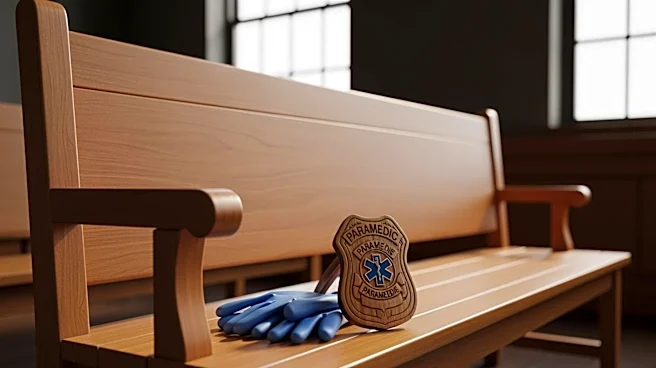
The Colorado Court of Appeals has reversed the convictions of two paramedics involved in the death of Elijah McClain. McClain, a 23-year-old Black man, died in 2019 after being stopped by police in Aurora, Colorado. The paramedics were initially convicted
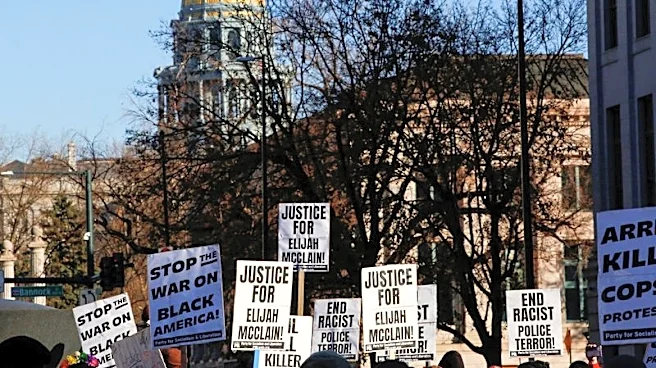
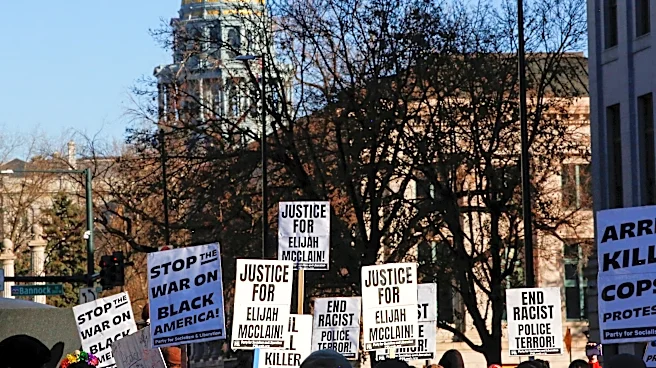
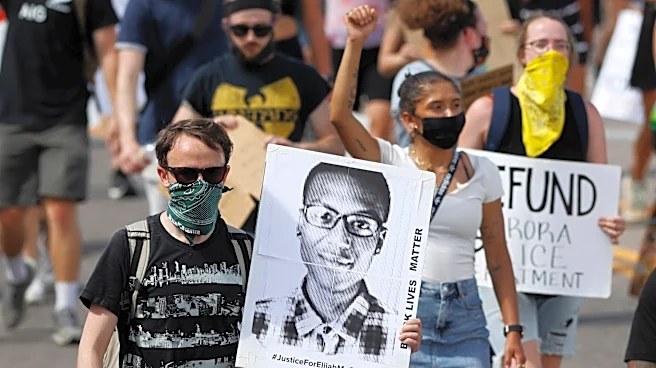
for their role in administering a sedative to McClain, which was part of the events leading to his death. The reversal of these convictions has sparked a significant reaction from the community, as McClain's death had previously led to widespread protests and calls for justice. The court's decision is seen as a pivotal moment in the ongoing legal proceedings related to McClain's death.
Why It's Important?
The reversal of the paramedics' convictions is significant as it highlights ongoing challenges in holding medical professionals accountable in cases involving law enforcement interactions. This decision may impact public trust in the justice system, particularly in cases involving racial minorities and law enforcement. The case has been a focal point in discussions about police reform and the use of force, and this development could influence future legal standards and practices regarding medical intervention in police encounters. The community's reaction underscores the broader societal implications of the case, reflecting ongoing tensions and demands for systemic change.
What's Next?
Following the reversal, there may be further legal proceedings as the case could be appealed to a higher court. Additionally, the decision may prompt legislative or policy reviews concerning the role of medical professionals in law enforcement situations. Community groups and civil rights organizations are likely to continue advocating for justice and reform, potentially leading to new initiatives or protests. The outcome of this case could also influence similar cases nationwide, affecting how medical interventions are viewed in the context of law enforcement.