




What's Happening?
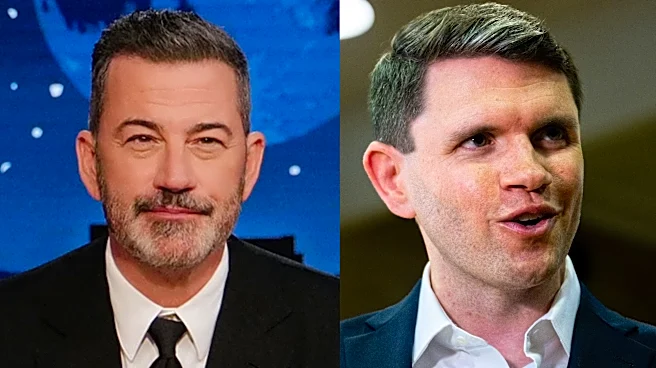
Federal Communications Commission (FCC) Chairman Brendan Carr has accused Democratic Texas Senate candidate James Talarico of exploiting public misunderstanding of the equal time statute to generate online engagement and donations. This accusation follows
Talarico's appearance on 'Jimmy Kimmel Live!', where host Jimmy Kimmel claimed the interview had to be aired on YouTube, rather than broadcast television, due to alleged threats from the FCC. The White House previously dismissed Kimmel's claim as 'play-acting,' stating no such threats were made. Carr clarified that the equal time statute, which requires broadcasters to offer comparable airtime to political candidates, does not apply to cable shows like ESPN or online platforms such as YouTube. He emphasized that the statute does not prohibit interviews with candidates on broadcast TV. Carr suggested that Talarico is repeating a tactic previously used during an interview with Stephen Colbert, which was also relegated to YouTube, to create a narrative that authorities are attempting to suppress his message.
Why It's Important?
This situation highlights the ongoing debate and potential confusion surrounding media regulations, particularly the equal time statute, in the digital age. The FCC's clarification is crucial for understanding the distinct regulatory frameworks governing broadcast television versus cable and online platforms. Misinterpretations or deliberate misrepresentations of these rules can impact public perception of political candidates and media outlets. For political campaigns, understanding these distinctions is vital for strategic communication and avoiding accusations of misleading the public. For broadcasters, it underscores the importance of adhering to established regulations while navigating the evolving media landscape. The incident also touches upon the broader issue of how political discourse is shaped and consumed across various media, and the role of regulatory bodies in maintaining fairness and transparency.
What's Next?
The immediate next steps will likely involve continued public discourse and potential clarifications from both political figures and media organizations regarding the application of the equal time statute. The Talarico campaign has not yet responded to Carr's accusations, and their response could further shape the narrative. Media outlets may also take this opportunity to educate their audiences on the nuances of broadcast regulations. This incident could also prompt further discussions within the FCC or Congress about updating media laws to better address the complexities of digital platforms and their role in political communication, especially as election cycles continue to integrate online content more heavily. The ongoing public engagement with Talarico's interviews on YouTube, which have garnered millions of views, indicates the significant reach and influence of online platforms, regardless of broadcast regulations.
Beyond the Headlines
Beyond the immediate political implications, this event raises deeper questions about media literacy and the public's understanding of regulatory frameworks in a rapidly changing information environment. The ease with which claims about FCC threats gained traction, even if later refuted, suggests a vulnerability to misinformation, particularly when it aligns with existing political narratives. This incident also underscores the evolving power dynamics between traditional broadcast media, which are subject to stricter regulations, and digital platforms, which operate with more autonomy. The 'hoax' accusation by a high-ranking FCC official against a political candidate highlights the increasing tension between political messaging, media strategy, and regulatory oversight. It also points to the potential for political actors to leverage public confusion about complex legal frameworks for their own benefit, further complicating the landscape of political communication.